
Tips:
- Be sure to pack comfy shoes because Lisbon is a city of seven hills, and slick cobbled lanes mean the streets of Lisbon can be steep and slippery.
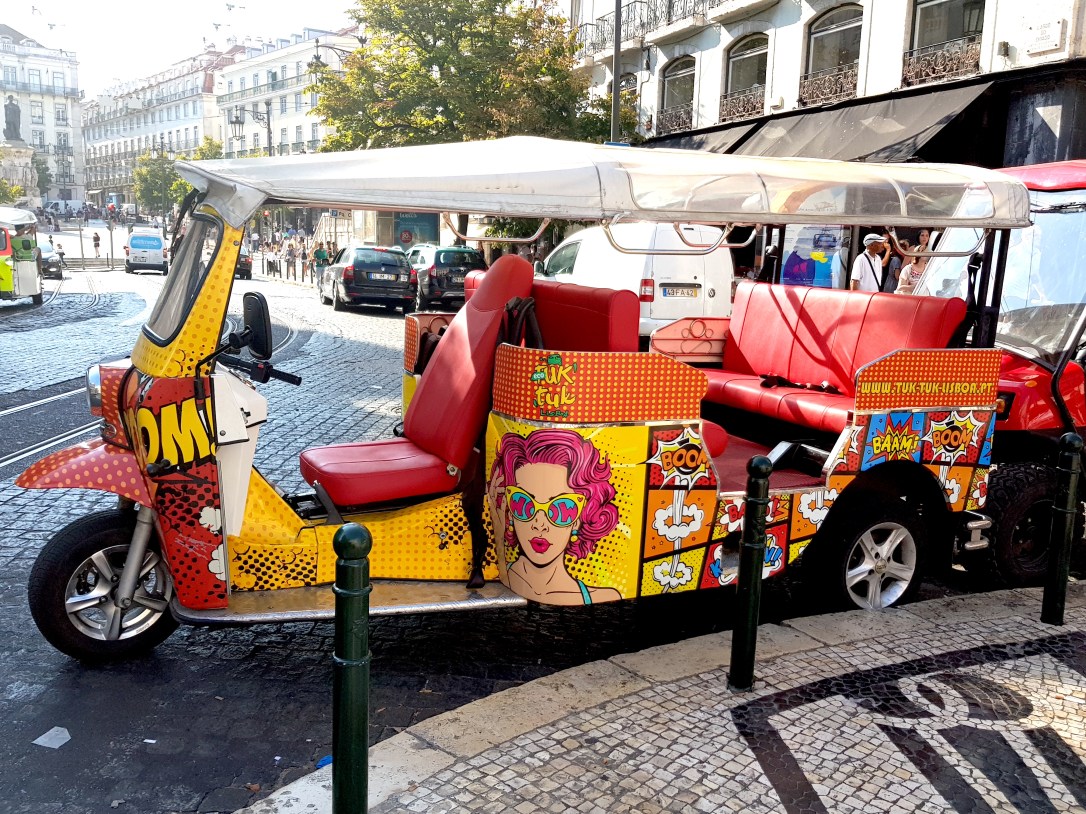
- Public transportation in Lisbon is good but not as reliable as in other European cities; taxis, tuk tuks and Uber are widely used to also get around.
- Trams are part of Lisbon’s transportation system and a popular way to travel from A to B, but bare in mind there popularity can cause long queues and wait times.
- The weather in Lisbon is fairly standard for Europe with hot summers and cooler winters. In the summer, from June to August, temperatures can soar to 80-90°C.
- Lisbon is a city with amazing vistas, providing plenty of options to find the best spots to admire the most amazing sunsets.
Lisbon Neighbourhoods:
- Alfama: The city’s oldest quarter with steep, winding streets that thread there way past densely packed houses. Home to the Sao Jorge Castle and Se Cathedral. The hills in this part of the city offer some of the best views that Lisbon has to offer.
- Bairro Alto: Known as “the high district”, this has long been the city’s bohemian quarter with lots of boutiques, bars, restaurants and graffitted houses. The area comes alive at night so it’s typically not the place to go for a quiet evening stroll.
- Baixa & Rossio: This is known as the most tourist-friendly neighbourhood where many of the city’s main landmarks and shops can be found.
- Príncipe Real: The name of this trendy neighbourhood translates into ‘royal prince’. The buildings here are much grander than other neighbourhoods in Lisbon. It’s a good place to explore for a daytime stroll amongst shops, bars and eateries.
- Belém: You can spend an entire day exploring here with its monuments, museums, tropical gardens and boat tours to explore. Belém is a must-do, especially if you’re spending more than one day visiting the Portuguese capital.
Day 1: Exploring Lisbon:
Lisbon is a city that has formed its own cosmopolitan identity with its tilled buildings, vintage trams, hill top views and cobblestone streets. It’s also become a top foodie destination with its street-food markets, sweet treat fixes, including the famous egg custard tart shop, and fresh seafood eateries.

Baixa & Rossio:
The Baixa district is in the heart of Lisbon comprising of magnificent plazas, grand avenues and boutique shopping boulevards. With a lively and vibrant atmosphere, it’s a place that is perfect to start a tour of Lisbon.
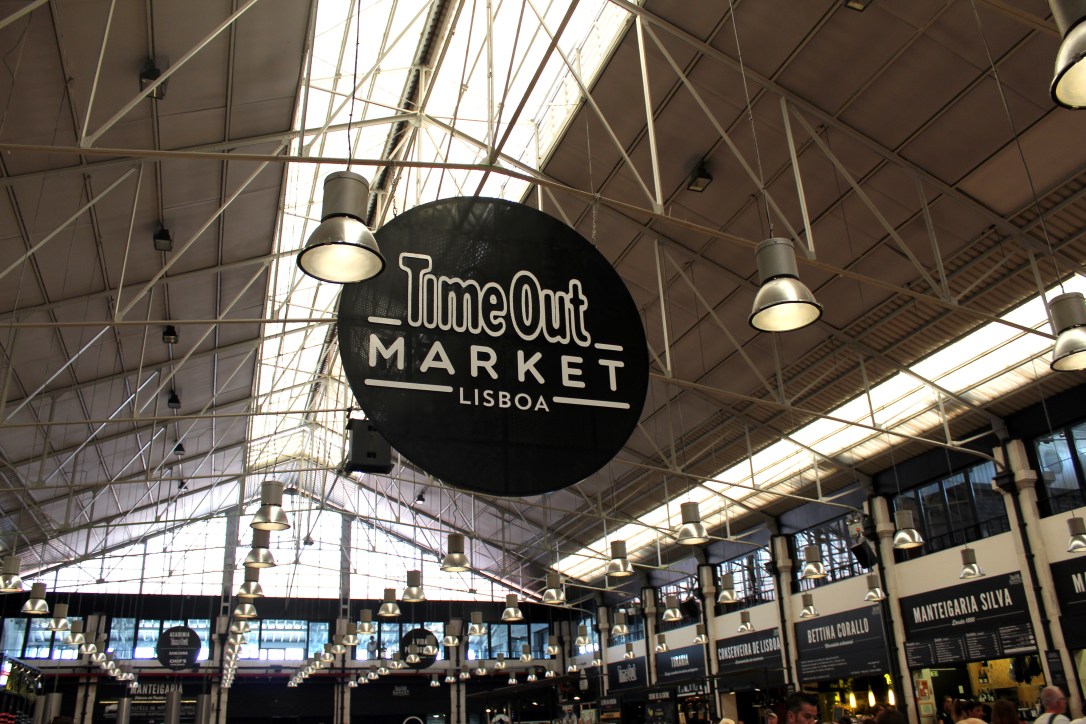
The “Mercado da Riberia” has been a landmark since the 1890s when it opened as an original farmer and fish market. Now it’s home to the famous Time Out Market. A large food court lined with stalls selling a variety of Portuguese food, sweets and drinks. At one end, the stalls sell budget-friendly samples from the country’s Michelin star chefs and the other you can sample craft beers, wines and tasty tapas style local cuisine.
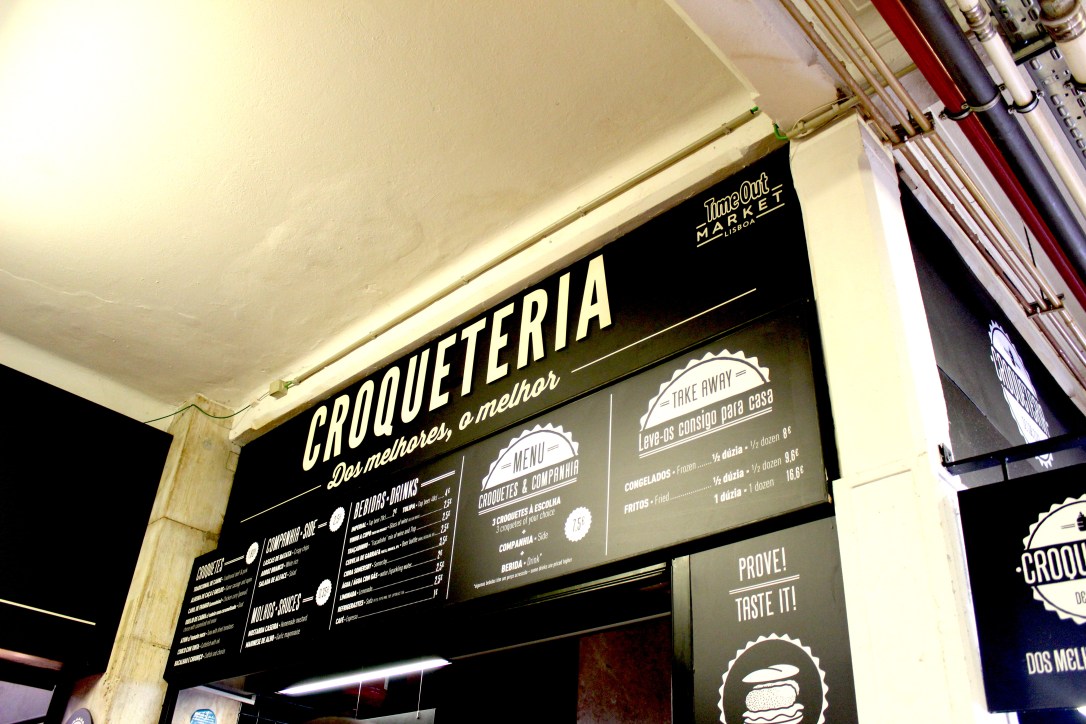
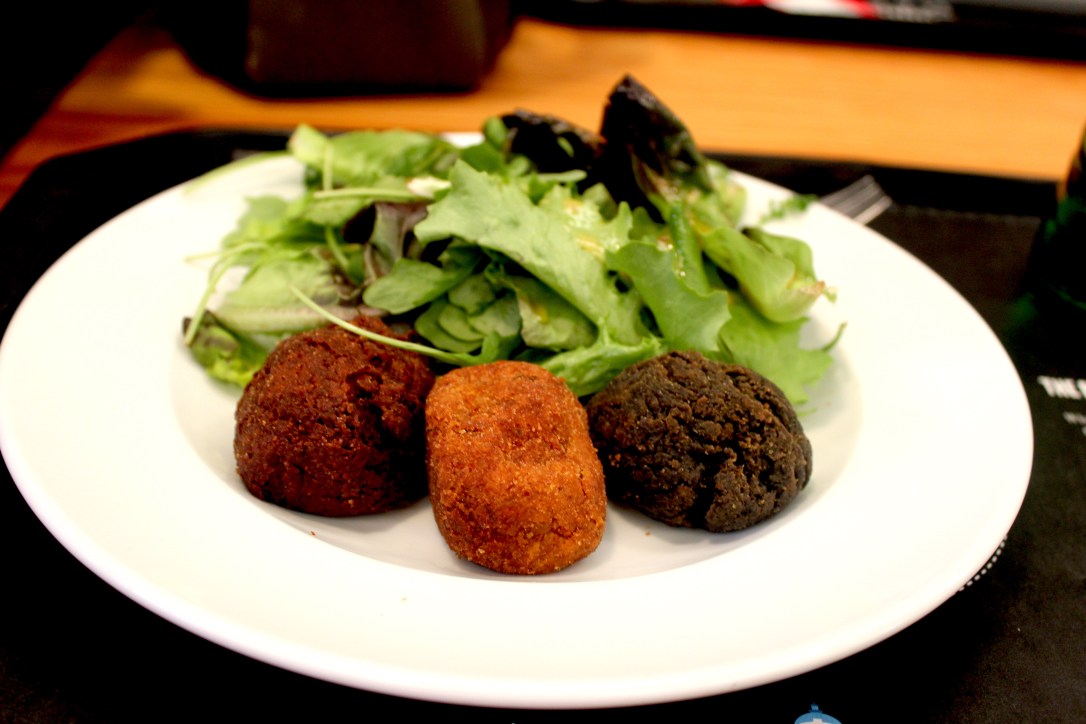
“Croqueteria” is a specialist when it comes to producing tasty breaded and fried croquettes. The founders were awarded their spot in the Time Out Market after they won a competition to find the best original business involving Portuguese food. They charge around €7.50 for 3 croquettes, a drink and a side dish, try the cuttlefish with squid ink!
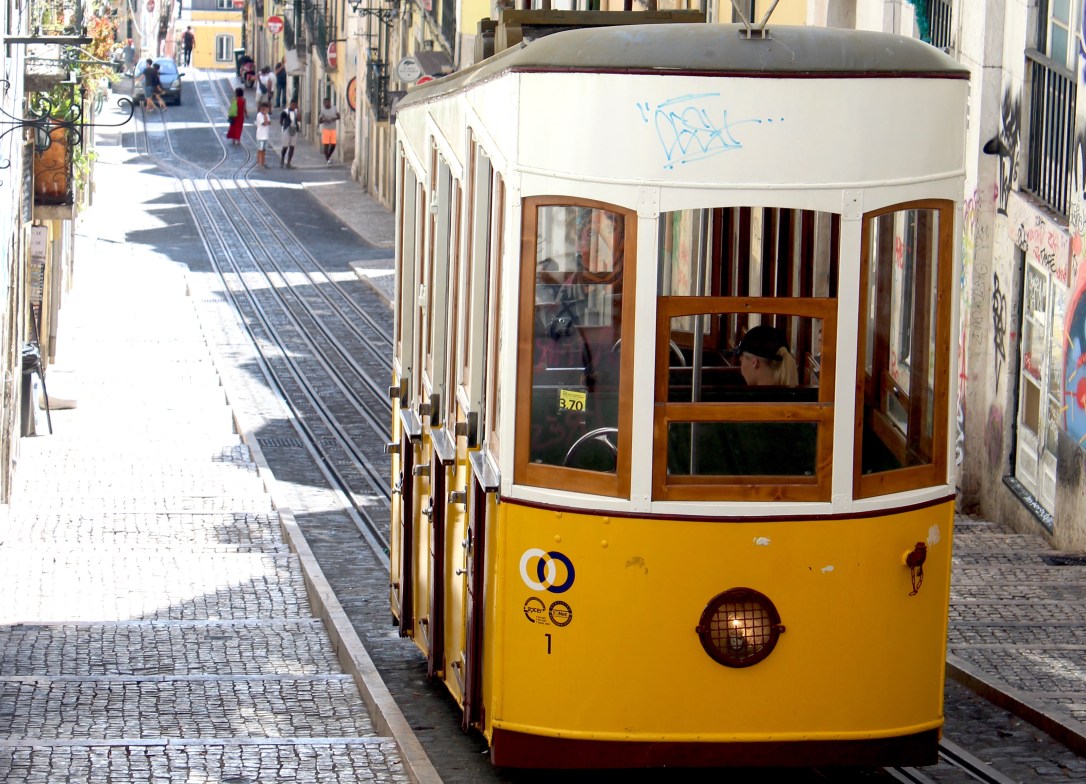
Lisbon is famous of it’s funiculars. There are three iconic places to grab a photo or ride these street elevators, which add to the city’s contemporary and bohemian character.
In the Baixa quarter, a short 15 min walk uphill from the Time Out market is Elevador do Gloria. Originally opened to the public is 1885, at the top you can enjoy come magnificent views over Lisbon from San Pedro de Alcántara viewpoint.
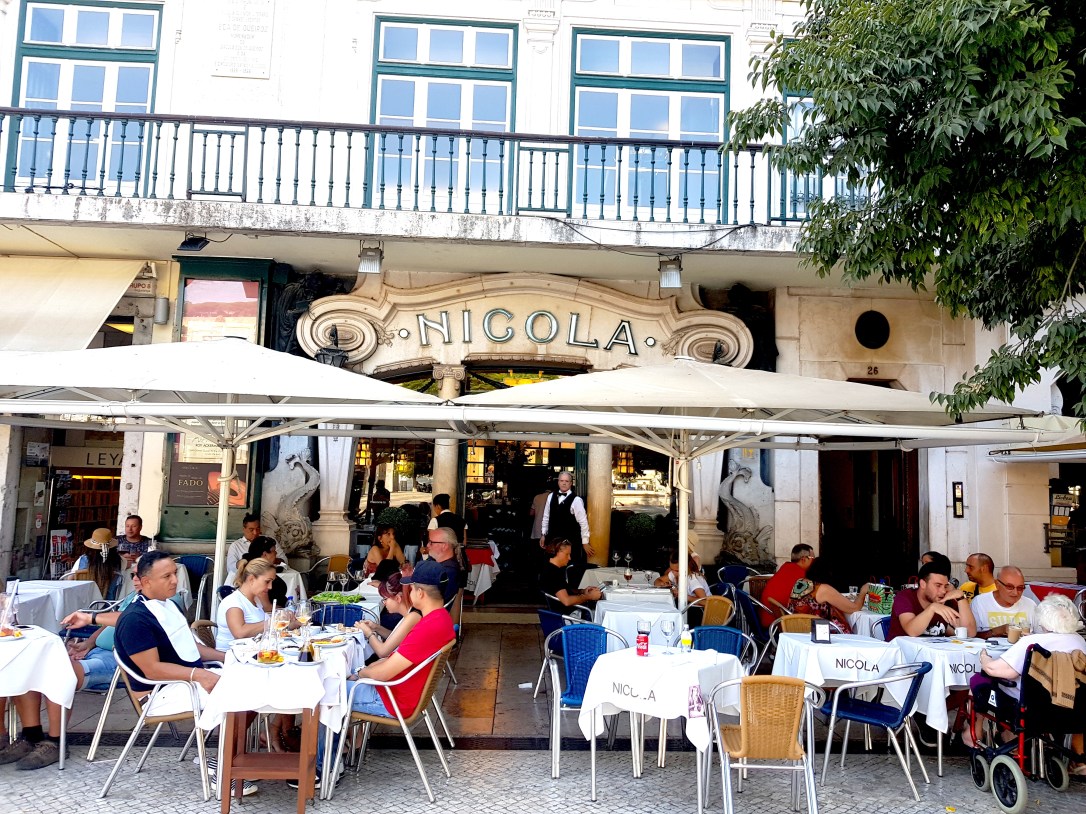
Nestled in the heart of the Rossio square is Café Nicola, a famous cafe that features a beautiful art deco facade. It is in a prime location to enjoy a afternoon apéritif. In the late 18th century it was a popular place amongst Lisbon’s intellectual elite.
The relaxed atmosphere allows you to sit and watch people pass whilst the street performers are hard at work. It’s a nice place to order a sangria and unwind into the city’s time zone and culture.
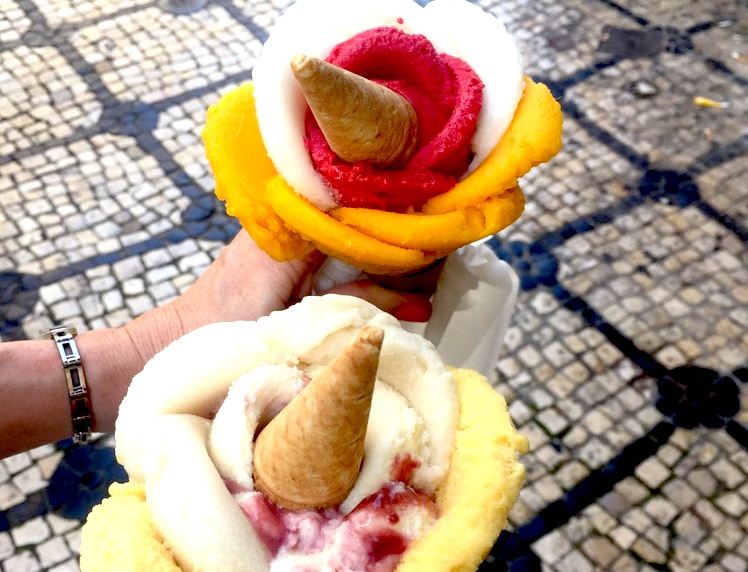
Along the Rue Augusta, as you make your way back through the Baixa district towards the Tejo river, is Amorino offering not to be missed colourful, floral inspired gelato.
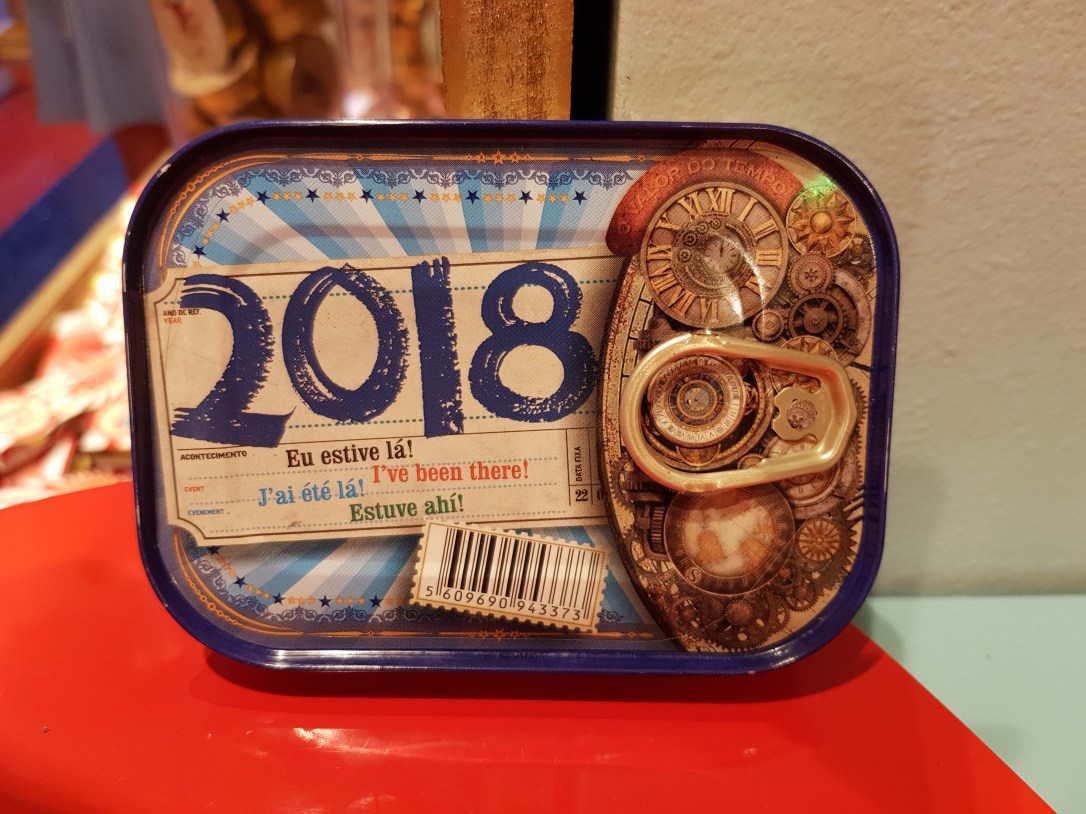
Conserveira de Lisboa is known as a local institution in Lisbon, best known for selling its retro colourful tinned preserves. Born in the 1930s, it feels like a small grocery store, which has grown into a family business, passed down three generations.
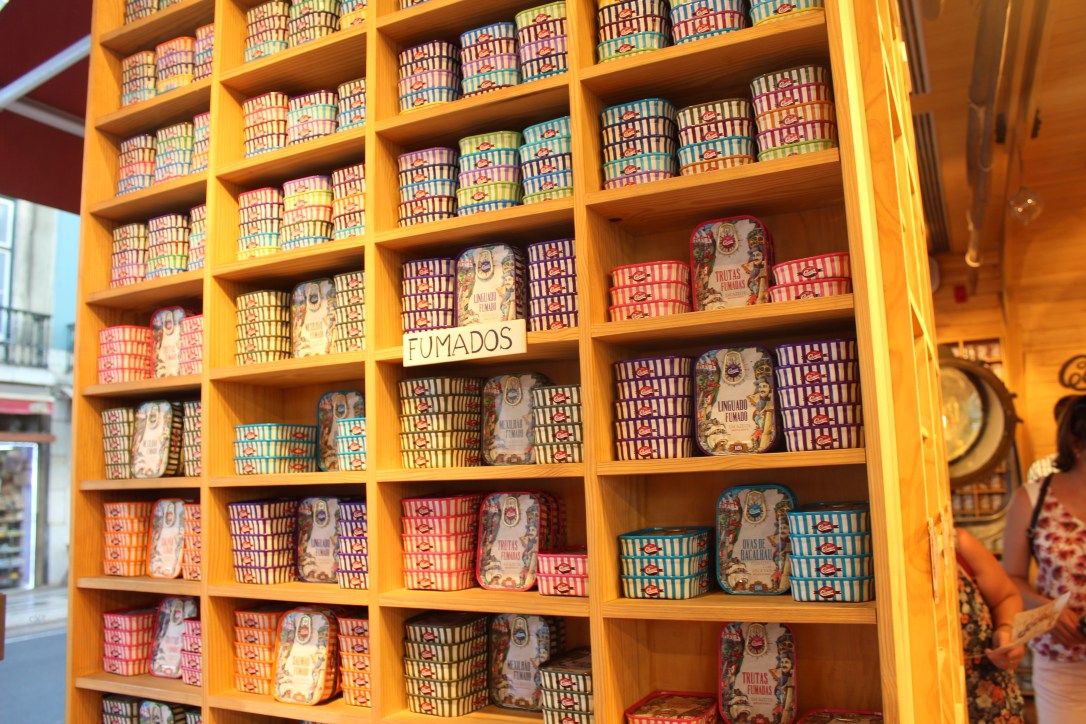
Inside colorful tins line the stacked wooden shelves packed with fashionable retro packaging. The tins hold some of the best fish in Portugal including tuna, cod, sardines, mackerel, and eel, mostly from Portuguese waters. These delicacies are preserved into a range of mixes from olive oil to lemon and spicy tomato sauce.
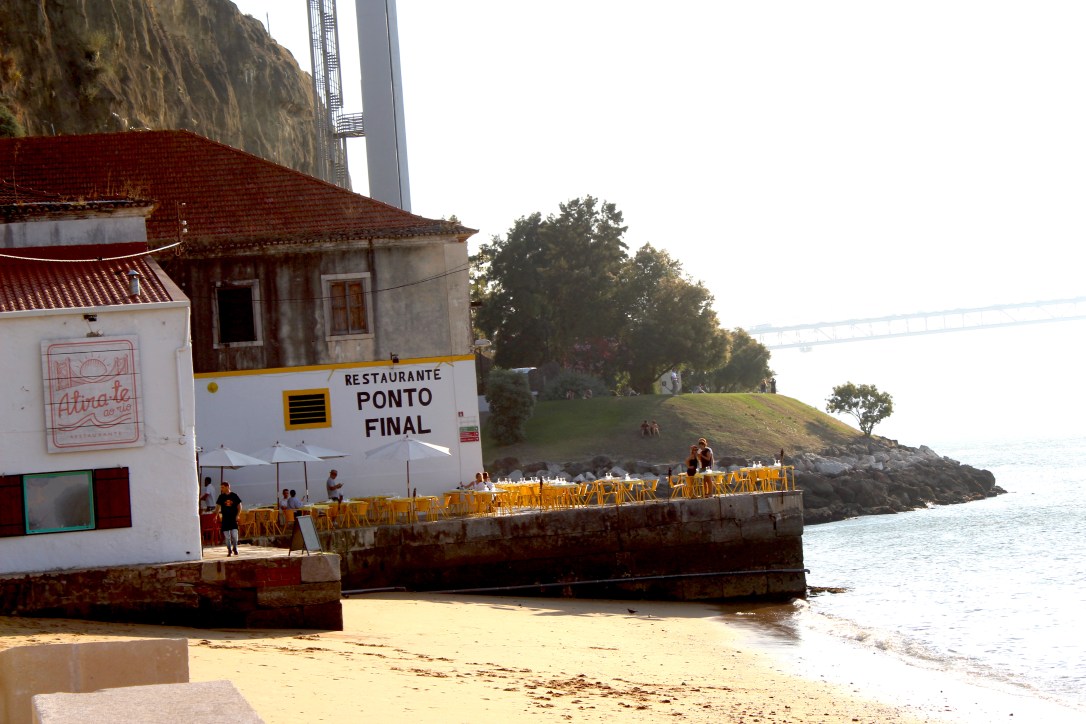
For a traditional evening meal, with amazing views across downtown Lisbon, be sure to book a spot at restaurant Ponto Final. A short ferry ride from Caise do Sodré (boats depart the pier every 10 mins and run late). It is a smooth 10 min trip to the south bank of the Tagus river to arrive in Cacilhas, one of the city’s tiniest harbours.
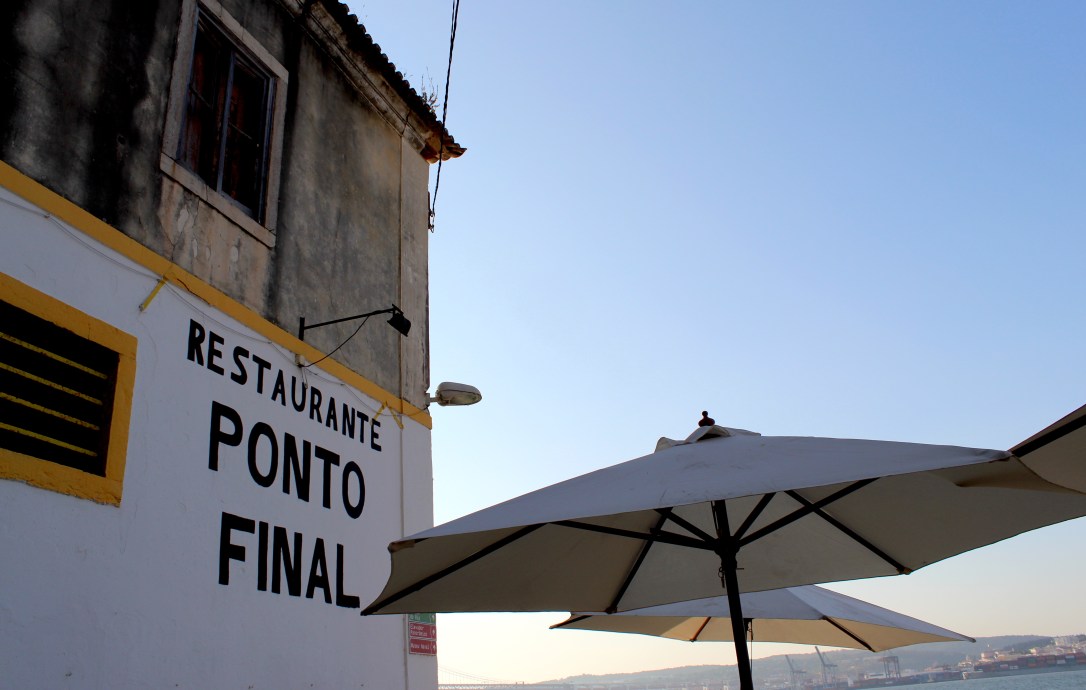
The walk alongside the river can feel gritty and edgy because the restaurant is surrounded by derelict graffitied warehouses, which used to be the former docks.
When I called to prebook the waiter advised I should arrive 30 minutes before the sun starts to set to enjoy seeing Lisbon’s skyline turn red with a view of the old iron bridge.
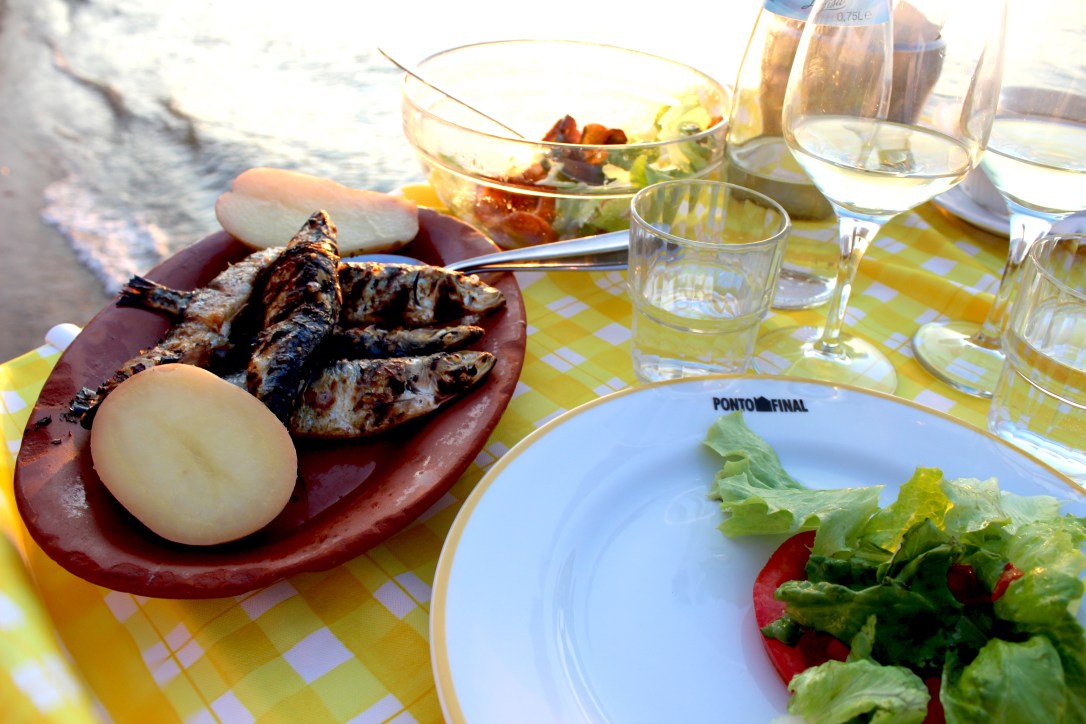
The food is simple, basic, but of excellent quality. It is homely and wholesome traditional Portuguese. For fans of seafood, the fish is great, especially the grilled whole sardines.
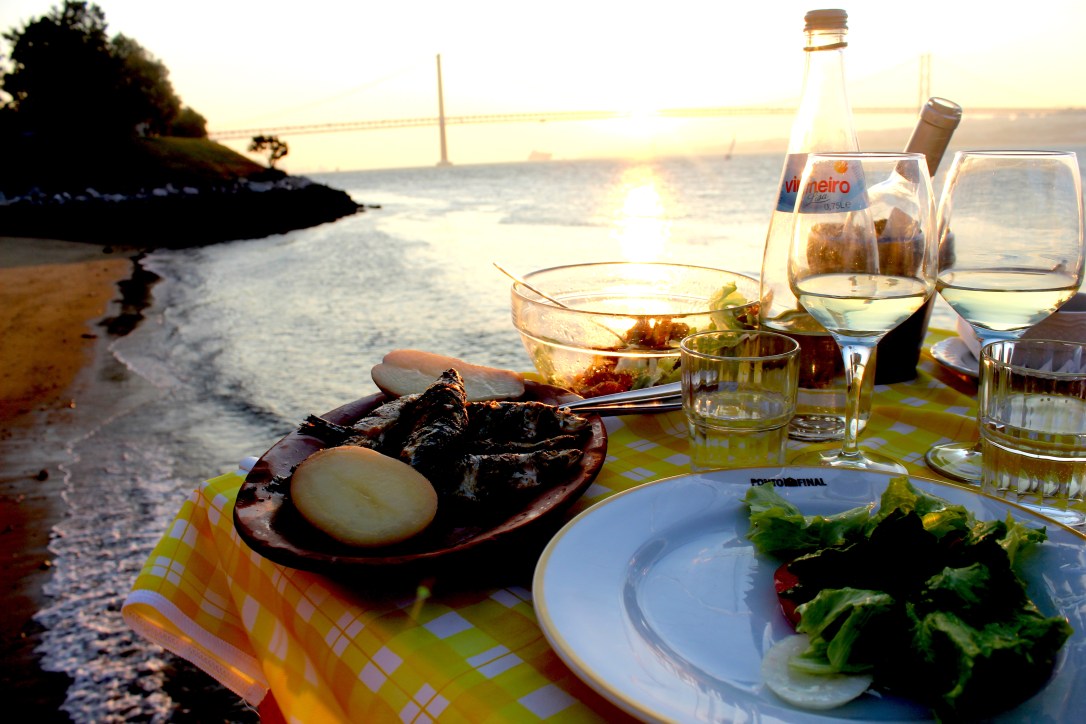
We were lucky enough to grab a table at the very edge, meaning we had uncontested views of the Lisbon skyline from sunset ’till nightfall, which was stunning. We just had to make sure we didn’t lean forward or back – luckily it wasn’t a wobbly table!

You can’t beat the view from Ponto Final. It’s the perfect place to dine right by the water.

 out of the office adventures
You must be logged in to post a comment.