
Tips:
- You should look to spend at least 2-4+ days in Seville (definitely two nights at least).
- Summer (from mid-June to September) is the hottest time to visit with temperatures reaching highs in the mid 90s and many local businesses shut down as their owners go on vacation, so if you plan to visit in the summer make sure you have accommodation with A/C.
- May is the best time to visit as the orange blossom will be in full bloom.
- There’s a week-long holy celebration (starting on Palm Sunday and ending on Good Sunday) so at this time Seville will be extra busy and things will be extra expensive.
- Seville is known for having some of the best tapas bars in Spain (most with a fusion influence), it’s worth reading up beforehand and booking restaurants if you can.
- Almost all the major local attractions offer online reservations, so again it’s worth looking at this to help cut down on having to wait in long lines.
- Most people don’t go out to eat until 8-9pm, so the sidewalk cafes are usually bustling past 11pm – meaning it’s the norm to enjoy a frosty cold beer late at night.
- The afternoon nap (famous siesta) is considered a refreshing way to beat the heat, especially in scoring summer months, and most businesses close from 2 to 5pm.
- Most locals don’t eat dinner until around 9 or 10pm, so try to adapt to a later eating schedule if you won’t to experience a true bustling atmosphere when dining out.
Exploring Seville: Day 1:
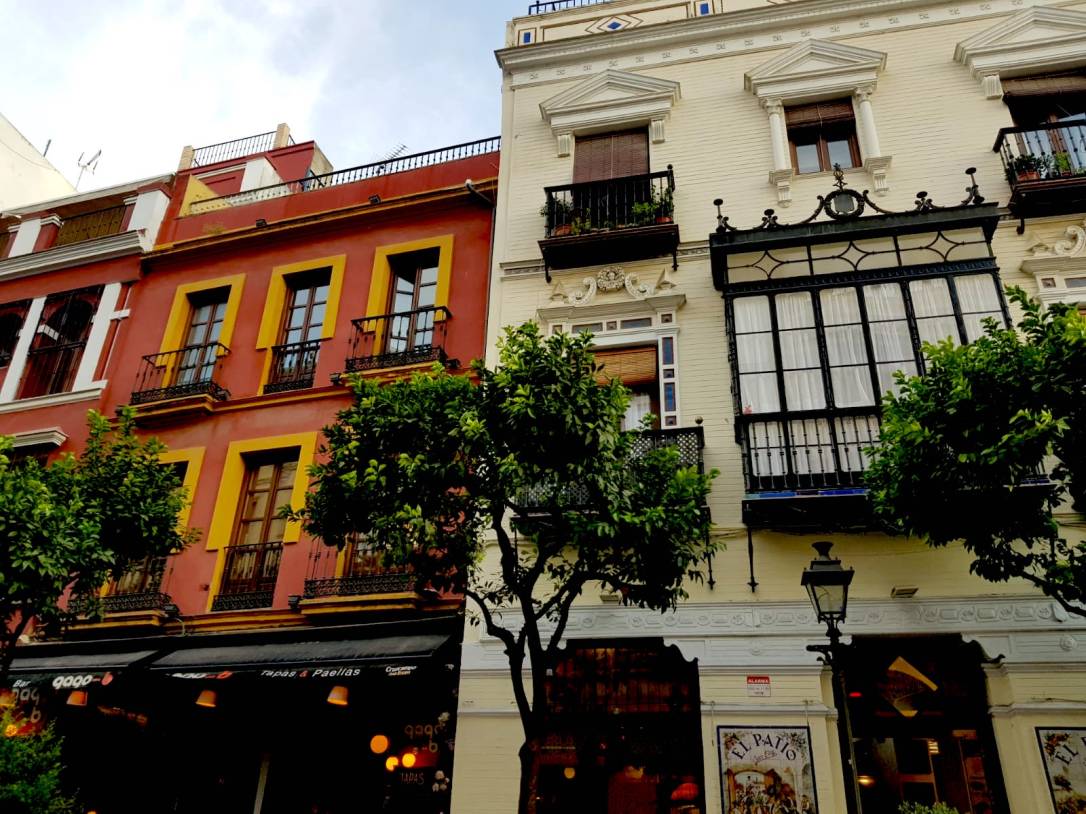
Seville, the capital of the Spanish Andalusia region, is a perfect place to visit and explore on a European weekend getaway. It’s also one of the most picturesque places I have ever visited with its moorish style buildings and orange blossom lined streets. It’s a city that’s steeped in history and culture due to its Christian, Muslim and Jewish heritage.
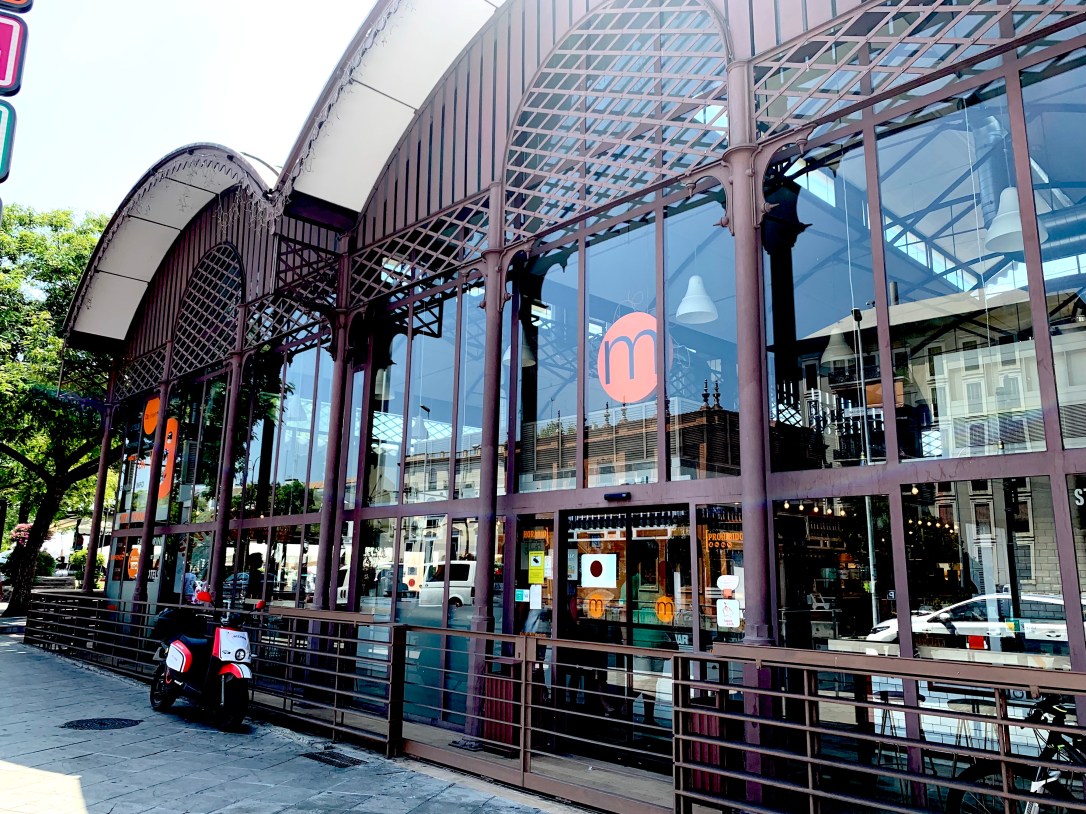
Begin your weekend break, after arriving at the hotel by taxi or airport bus, by visiting the Mercado Lonja del Barranco – an indoor food court with character. It was designed by the same French engineer, Gustave Eiffel, who designed the famous Eiffel tower.
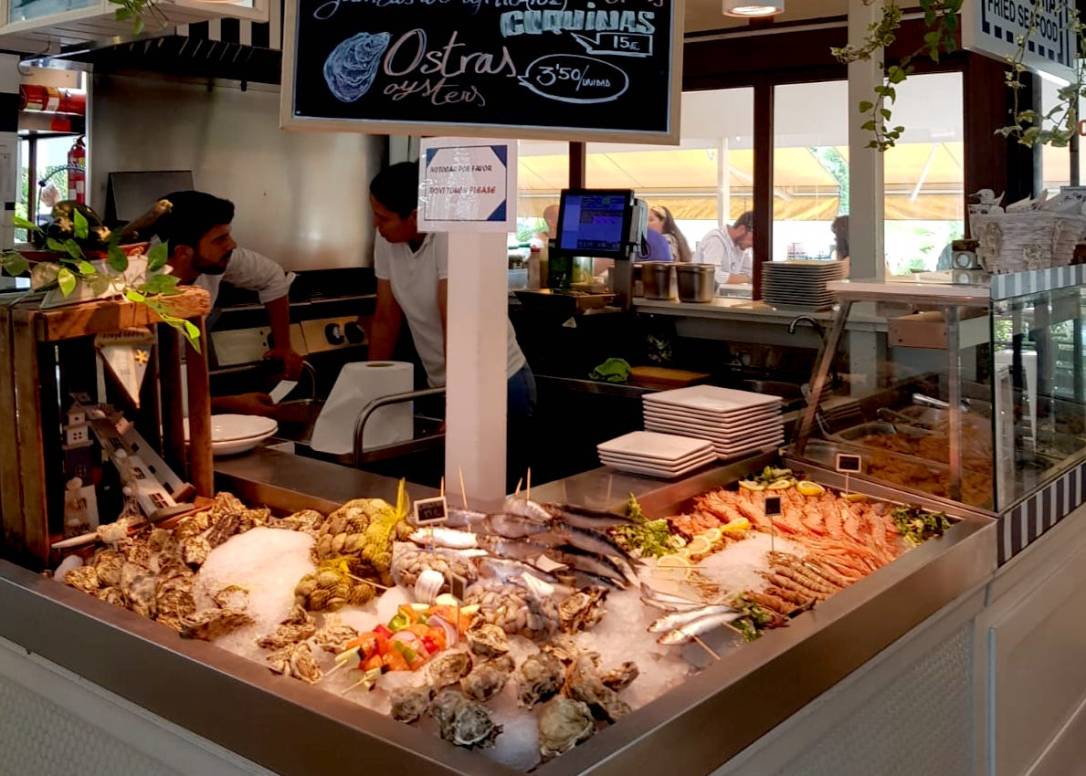
At the foot of Isabel II Bridge, overlooking the Guadalquivir River, Lonja del Barranco Market stands on the site of the old Seville market, designed by the popular French engineer Gustave Eiffel in 1861. It has an area of over 1,200 square metres and a score of stalls with fried fish, seafood, stews, cold meats, roast chicken, pies, cheeses, sushi, pizza, meat, ice cream, gourmet food, flowers and books, oils, fruit, rice, cakes, wine and cocktails. In addition, it offers cultural events like live music and theatre, art and photography exhibitions, lectures, courses, workshops and cooking demonstrations.
Try La Croqueteria if you fancy sampling some delicious Spanish croquetas, along with a refreshing Aperol Spritz to relax into the Spanish way of life.
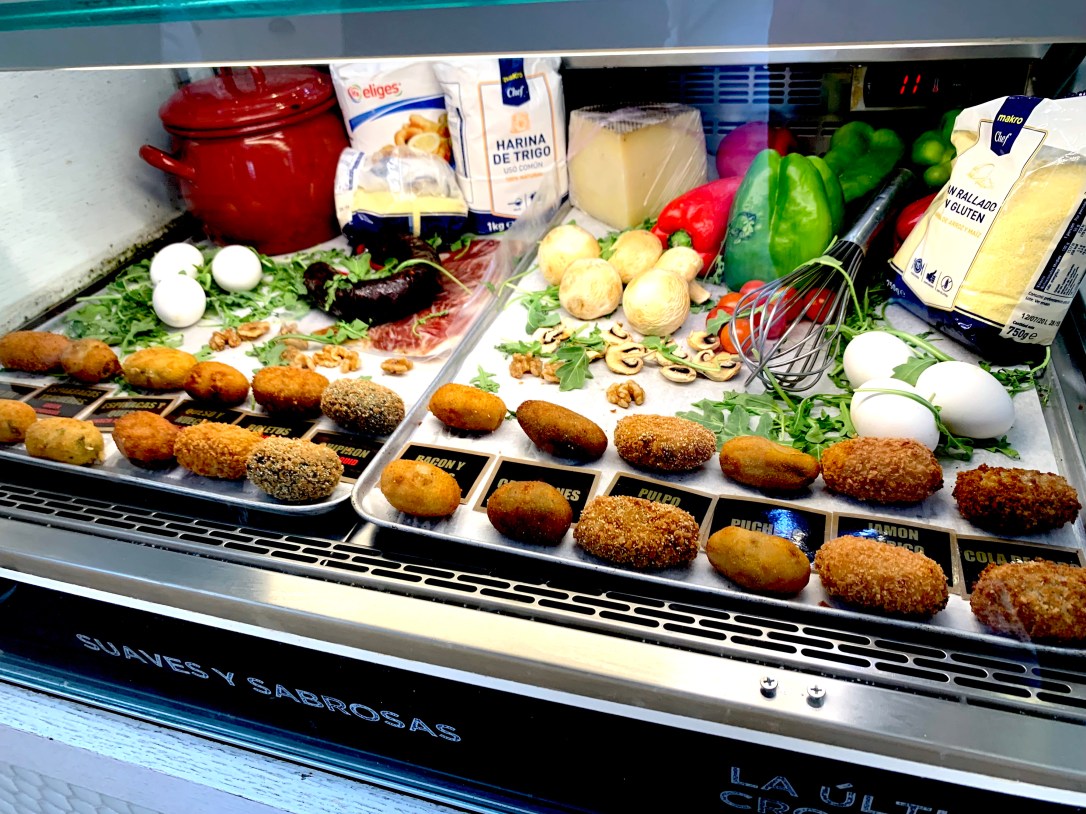

Once you have enjoyed a tipple, or two, head into the city centre either by foot or bus to visit the Catedral de Sevilla, home to the tomb of Christopher Colombus.
The cathedral and the Giralda (Church tower) are without a doubt two of the most sought-after sights in Seville, and not planning ahead could mean hours spent sizzling under the sun while waiting in line. Therefore to beat the line visit the Church of El Salvador to purchase a combined ticket to the cathedral and skip the line.

Visting info:
- Mondays: 11 a.m.–3:30 p.m.
- Tuesdays–Saturdays: 11 a.m.–5:00 p.m.
- Sundays: 2:30 p.m.–6 p.m.
- €9 general admission
- €4 for retirees and students under the age of 25. Don’t forget your ID!
- Free for residents of Seville or those who were born here, disabled people with an escort, and children up to age 14 with an adult. Be sure to bring identification!
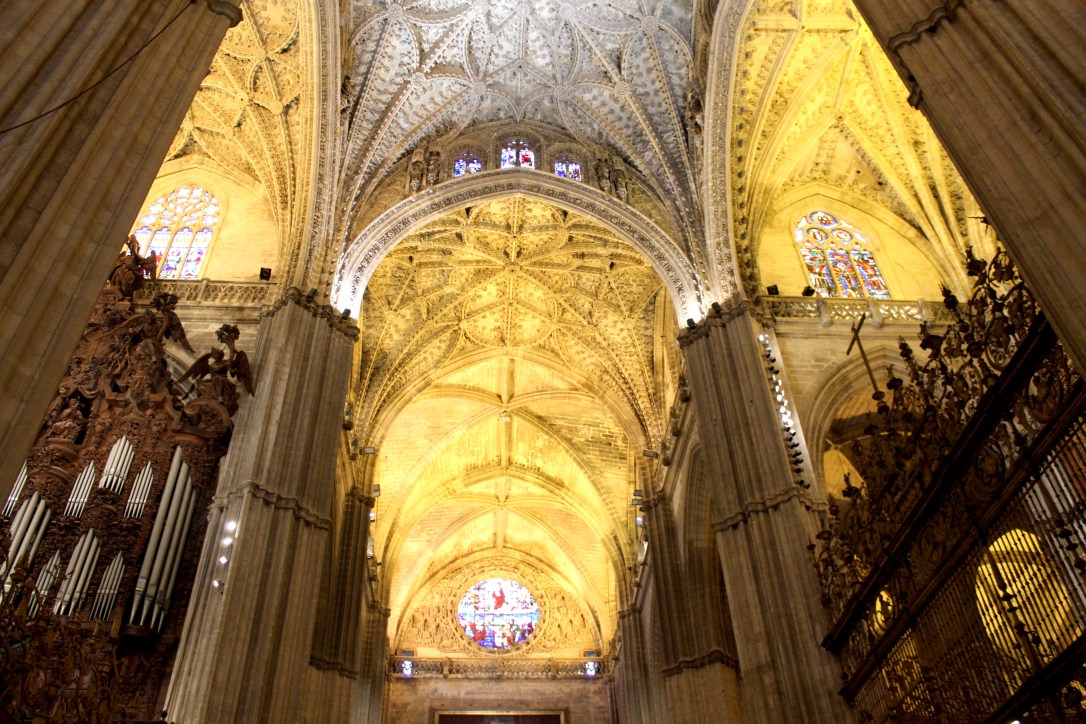
Just inside the doors of the Cathedral you’ll see the tomb of Christopher Columbus. His coffin is carried by four figures that represent the kingdoms of Spain: Navarre, Aragon, Castile and Leon. If you’re wondering why he’s buried in Seville, it’s because he set off from the city on his exploration of the “New World” over 520 years ago.
Seville Cathedral was designated a World Heritage Site by UNESCO in 1987.
With 80 chapels inside there is a lot to see as well as climbing up the Giralda to admire some great views of the city.

To cool down, after admiring such beauty, treat yourself to a floral inspired ice cream from Amorino, which is just opposite the entrance.
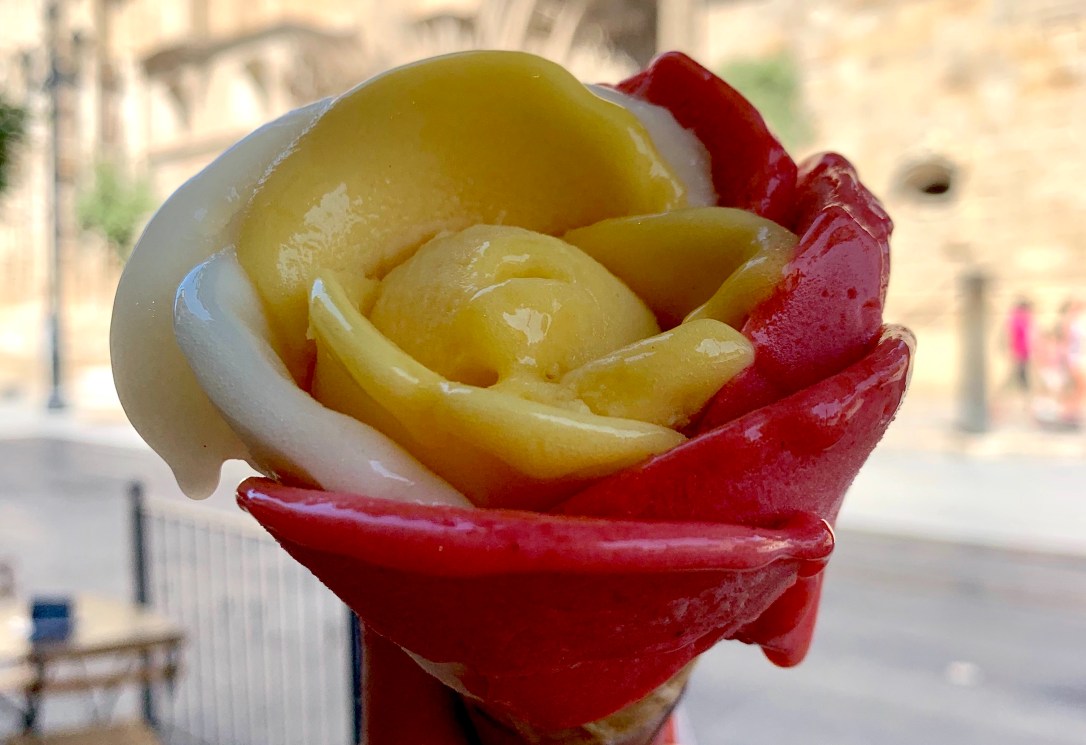
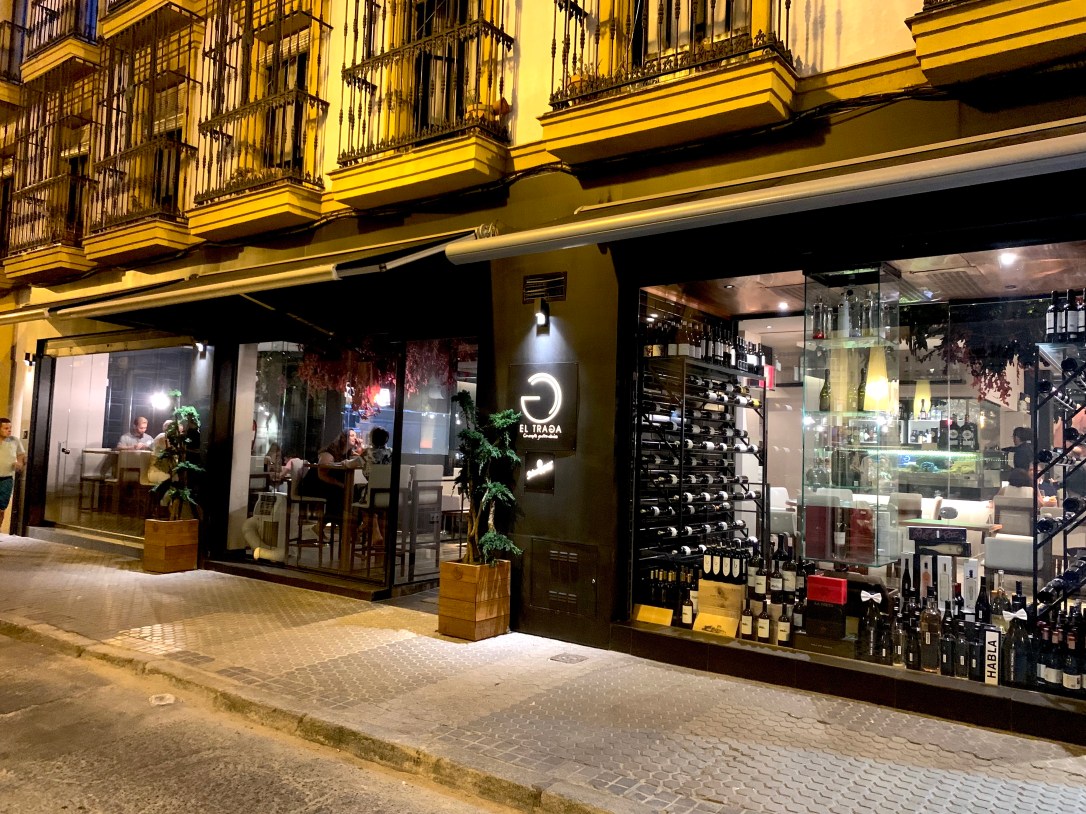
Before heading back to the hotel and getting ready for dinner at El Traga – a modern restaurant with the friendliest of staff. The waiters are extremely polite and attentive, and forthcoming with advice on the menu and wine list.
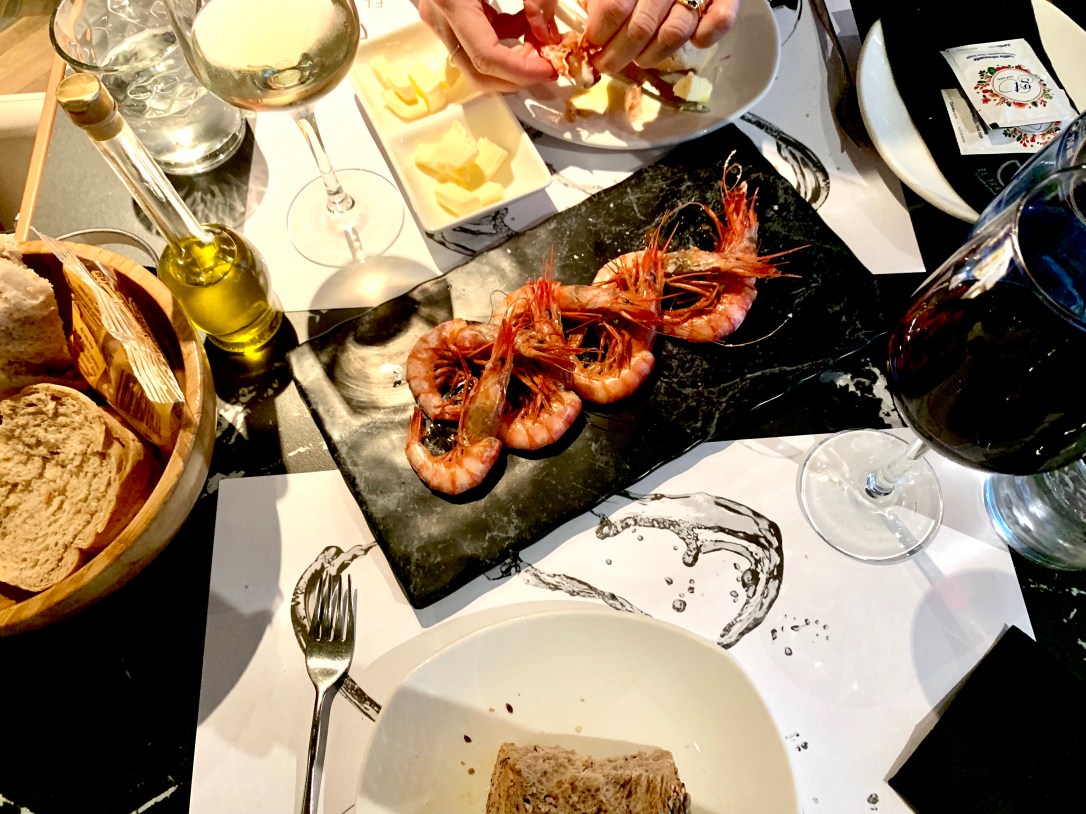
I’d recommend sharing a few starters or sharing a main course because the highlight of this menu is the bonsai tree (an amazing desert of candy floss and chocolate with pistachio ice cream) – you’ll be amazed at the work of art. It’s a must try!

 out of the office adventures
You must be logged in to post a comment.