
Tips:
- The Mosteiro dos Jerónimos is one of the most popular sights of Lisbon, so it’s best to head here first as there is often a queue to get tickets.
- Bring lots of water as it can get very hot when queuing to enter.
- It is best to note that the Mosteiro dos Jerónimos is closed on Mondays.
- Belém Tower can get extremely busy to visit, generating long queues throughout the day, so if you want to go inside it’s best to arrive when it opens at 10am.
Day 3: Exploring Belém
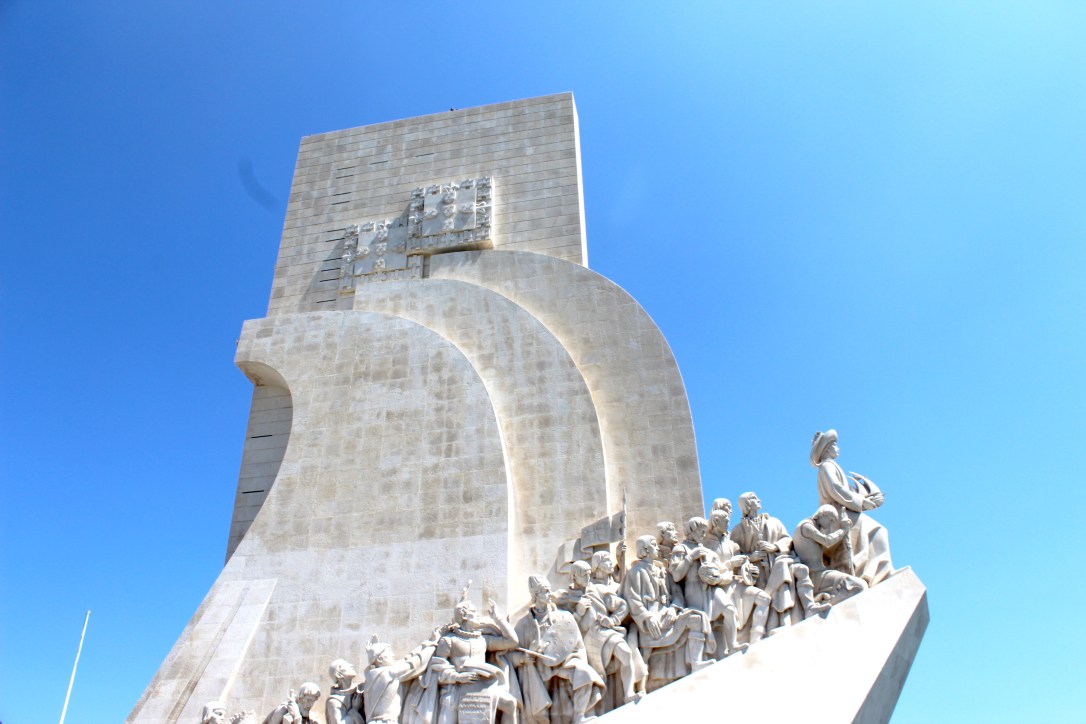
A trip to Lisbon isn’t complete without exploring the district of Belém. Located on the River Tagus there’s plenty of architectural landmarks and historical sights to explore. This neighbourhood is located at the mouth of the River Tagus, but easily accessible.
Belém used to be a major maritime port and is where various Portuguese explorers set sail to begin their exploration of the world. Two of the most important sites in Lisbon are here – the Jerónimos Monastery and Belém Tower.
How to get there:
Belém is well connected, making it easy to travel from Lisbon. One way you can travel is by tram, the “Eléctrico”, (tram 15) which runs from Praça da Figueira, the square next to Rossio to Belém in about 25 minutes and stops right outside the Mosteiro dos Jerónimos.
Or, if travelling a peak times and wanting to avoid the crowds there is a suburban train to Cascais that goes through and stops at Belém. This is a really easy and comfortable way to travel. The train leaves from Cais do Sodré, and Belém station is three stops away.
Pastéis de Belém:
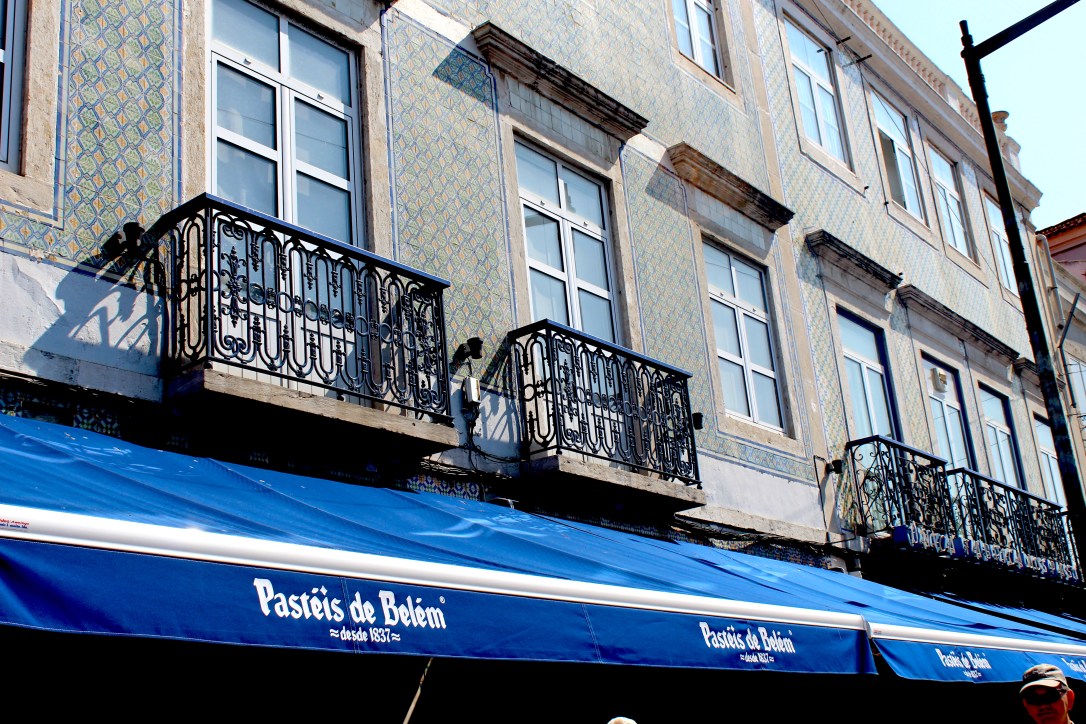
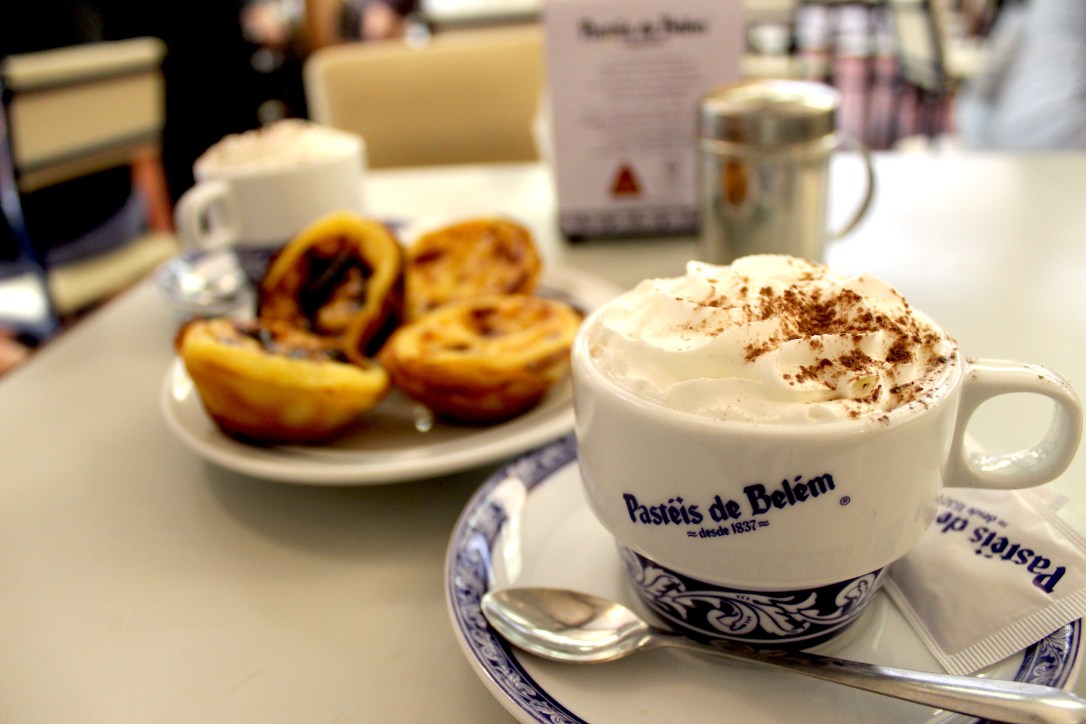
An absolute must when visiting Belém is to stop at Pastéis de Belém to try the famous pastéis de nata cream cakes, which have been made here since 1837. The much loved cafe and bakery has been selling the Pastel de Nata (an egg custard tart sprinkled with cinnamon) for over 150 years and no trip to Belém is complete without sampling one.
The Pastel de Nata is believed to have first been developed during the 18th Century by Catholic nuns as means of baking to raise extra funds for the upkeep of the Mosteiro dos Jerónimos. The first owners of this well-known pastry shop (which was a sugar refinery at that time) purchased the recipe from the monks in the 1830s.
Pastéis de Belém is located opposite the main tram stop. It can get busy with tourists wanting to tuck into the’ real deal’, as these treats are made fresh everyday using the original 187-year-old recipe. You can either eat in or take away. I recommend skipping the take away queues and going round to the back of the cafe to enjoy table service the chaotic dining hall, which is authentically Portuguese.
Opening times: 8am-11pm every day
Mosteiro dos Jerónimos:
This UNESCO-listed monastery is one of Portugal’s grandest and most cherished buildings. It was commissioned by King Manuel I in 1501.
The decorative style of stonework incorporates maritime motifs such as twisted rope, because at the time it was built it was associated with early sailor explorers because it was here that they spent their last night before embarking on exploration voyages.
In 1983 it became a UNESCO World Heritage Site.
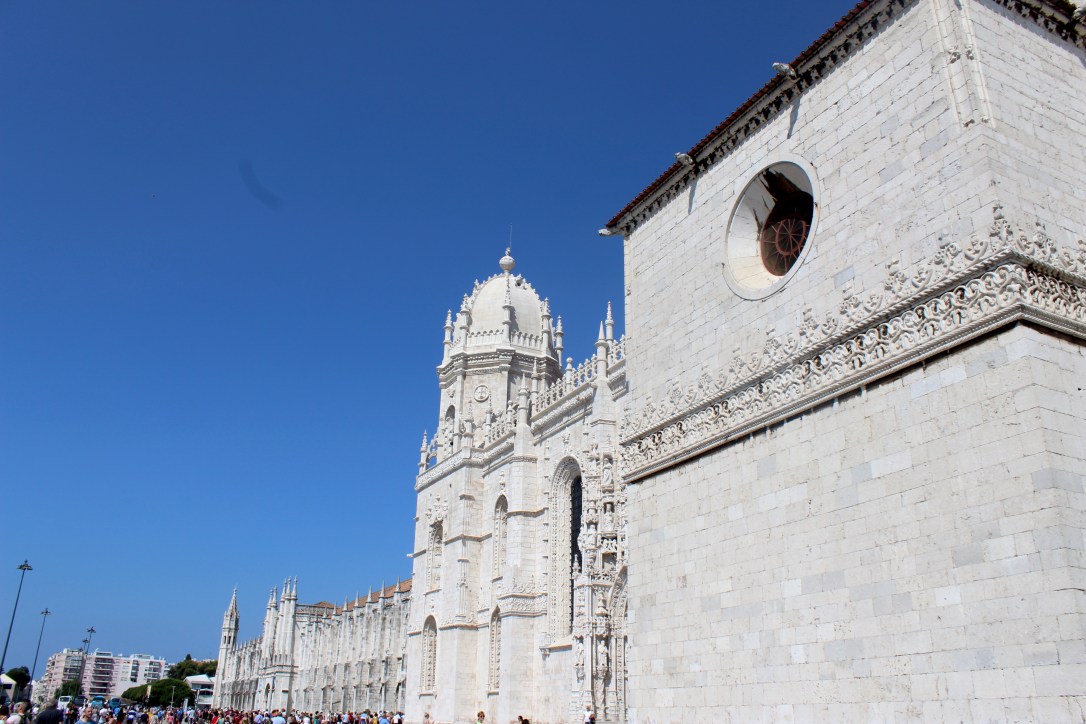
Open from 10.00am to 6.00pm in the summer and 10.00am to 5.00pm in the winter (whilst being closed on Mondays). It costs around €7.00 to enter the monastery, and free for children under 14.
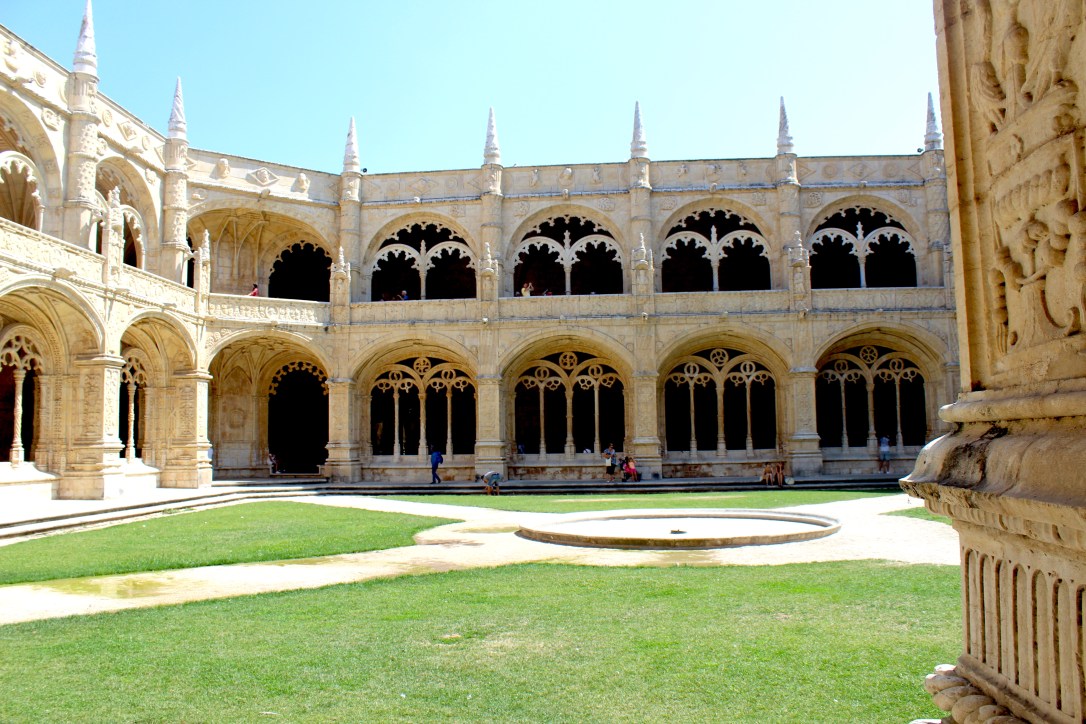
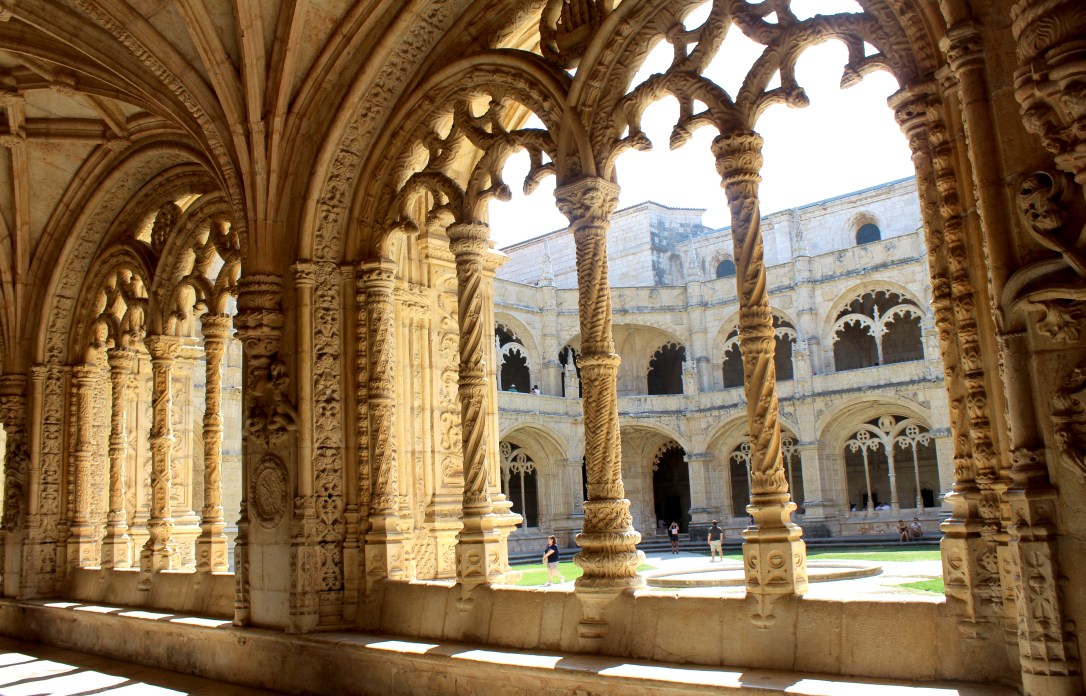
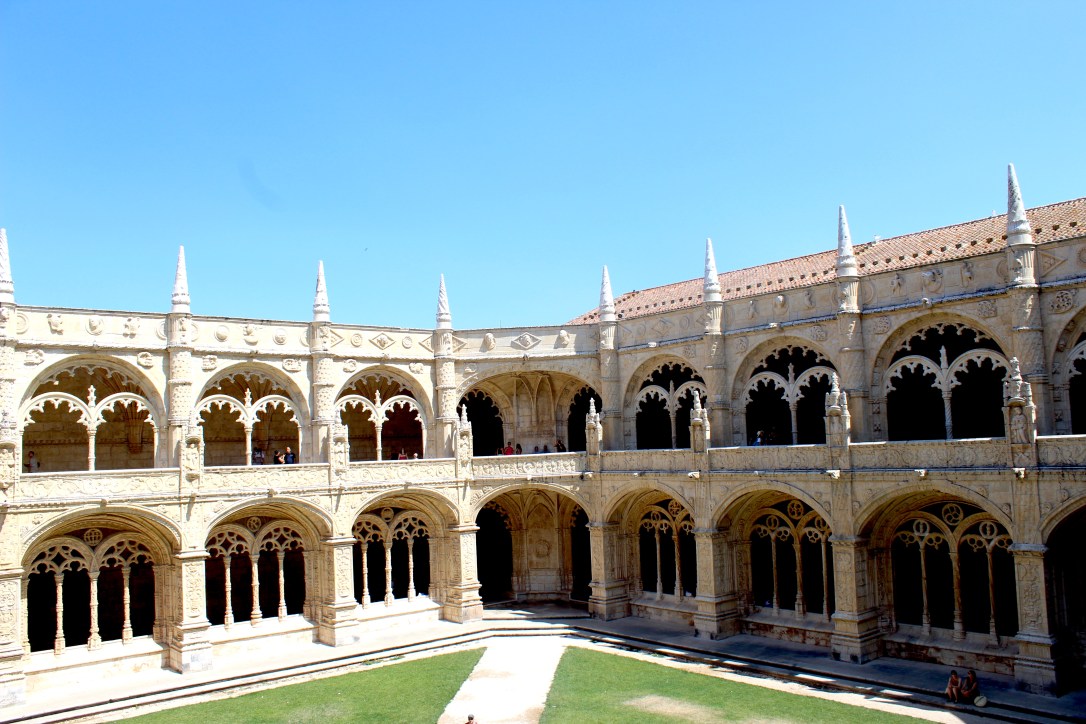
It is free to enter into the chapel if you are wanting the explore the equally as beautiful Church, which also has close ties with Portugal’s great explorers. Historically the church would be filled with monks praying for the safe return of sailors. When they returned with gold and riches from the Far East the trade money was channelled into funding the extravagant building works to maintain the Mosteiro dos Jerónimos.
When we were visiting, the Church was actually filled with wedding guests, eagerly anticipating the wait of a beautiful bride on a scorching hot day.

Belém’s tropical garden:
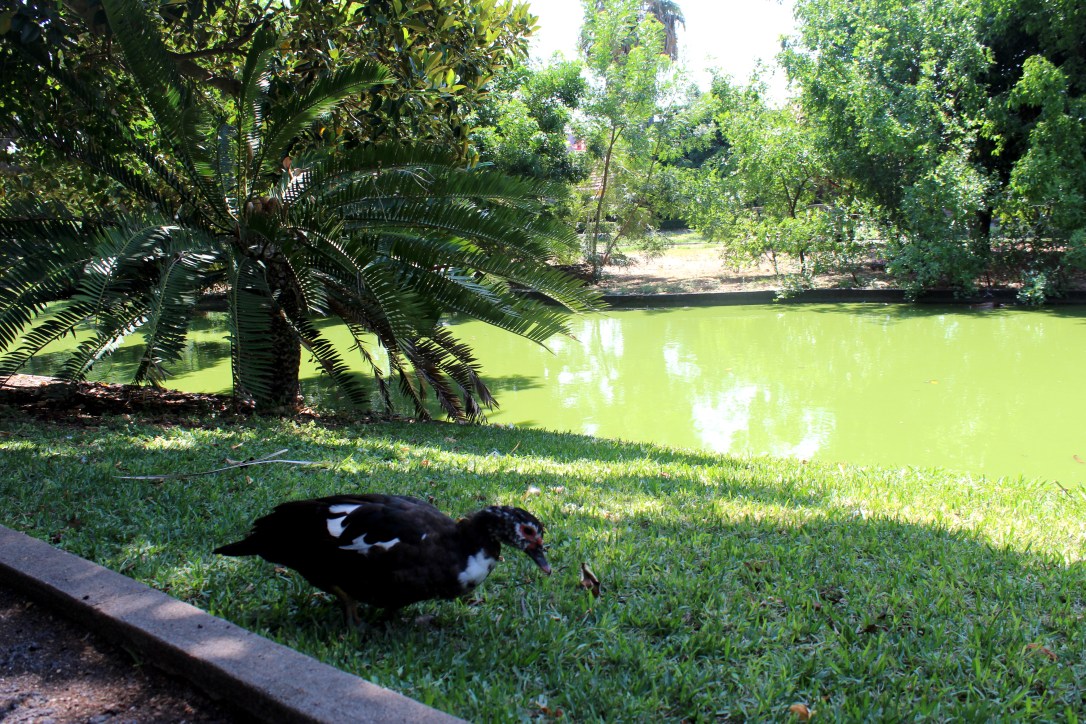
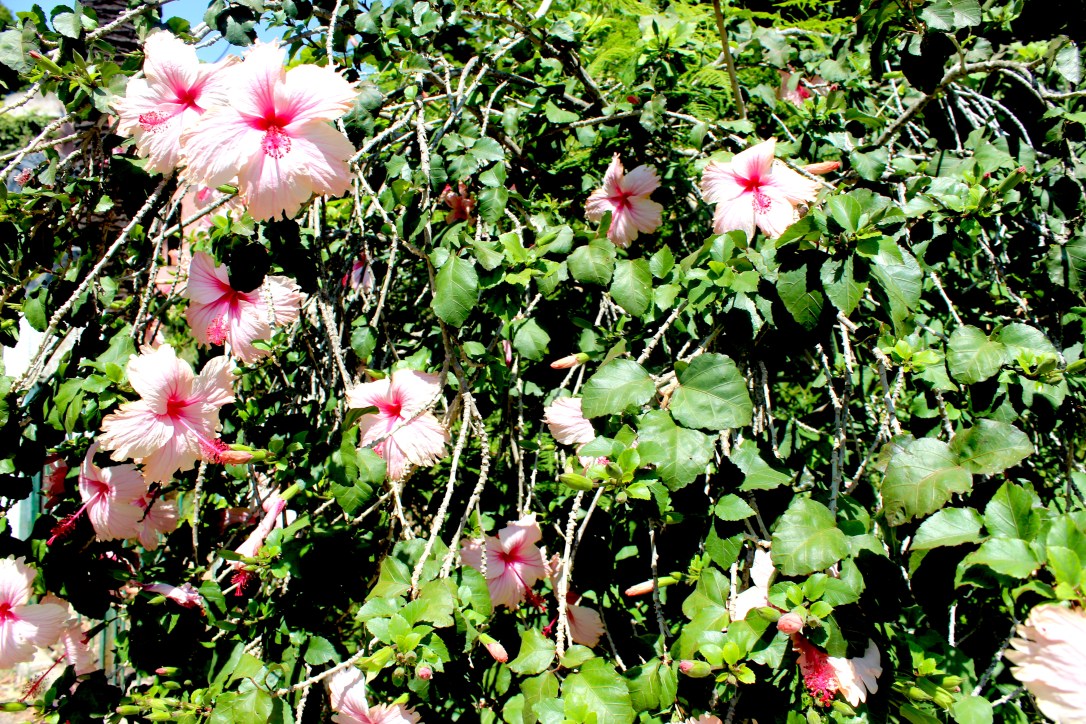
This tropical garden is a beautiful eden of lush jungle greenery and vibrant plants. It’s an often overlooked spot to visit in Belém but definitely worth a visit to see the towering palm trees, green swamp-like ponds and over 4000 species of plants.
The garden is a relaxing place to escape the crowds of the main attractions and a nice place to have a picnic. There are peacocks, ducks and other birds all around.
There is an entrance fee of €2.00, which goes toward the garden maintenance and it is open between 10am and 8pm in the summer months, and closes earlier in winter.
Belém Tower:
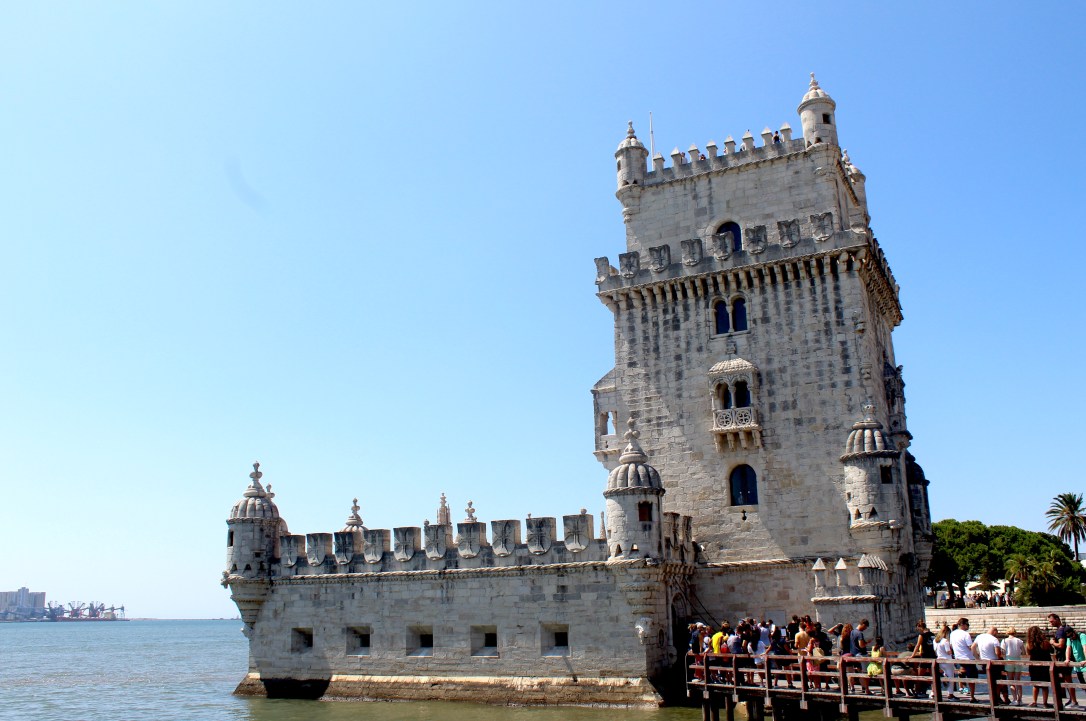
Standing tall along the waterfront, near the mouth of River Tagus is one of the most iconic symbols of Lisbon, the Torre de Belém. It was originally built was a lighthouse, but became the country’s defensive fortress on orders of King Manuel I.
It was granted world heritage status by UNESCO in 1983 and ask you can see is interesting to explore and admire both on the outside and inside.
Gin Lovers bar at Embaixada Concept Store:
For an afternoon / early evening tipple visit the Gin Lovers bar, which was the first bar in Lisbon to be 100% dedicated to gin.
Located in the Embaixada, a Neo-Moorish palace from the 1880s in the heart of the trendy Príncipe Real neighbourhood, this bar has 60 of the world’s best gins on its menu, accompanied by an array of exotic tonic waters; from citrus to floral and spicy twists.
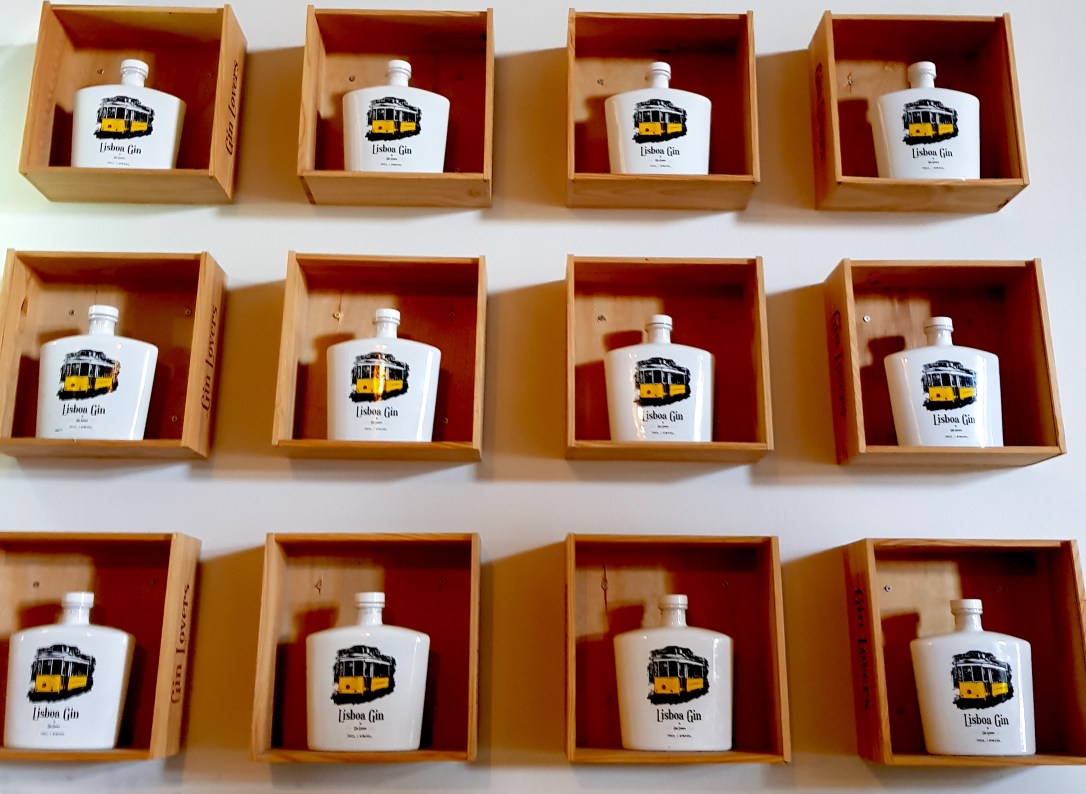
My recommendation is to try the “Gin Lovers” twist, Beefeater 24 gin with tonic water, blossom, lavender, aromatised with grapefruit zest and juniper.

Cantinho Lusitano:
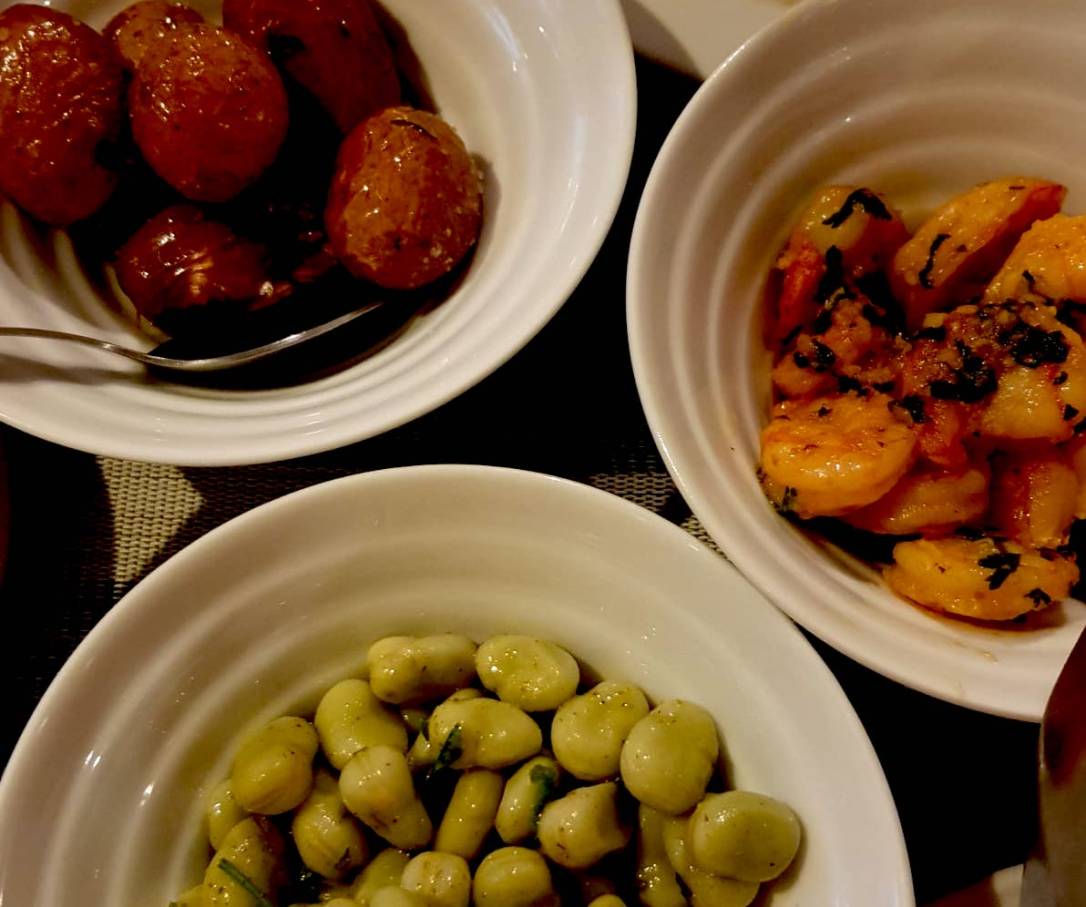
For an authentic tapas dining experience in Lisbon look no further than Cantinho Lusitano. Sharing is what this restaurant is all about with an appealing menu of “petiscos” (snacks); such as meats, cheeses, garlic shrimps and bean salads, paired nicely with Portuguese wines. Reservations are recommended as this place is only open of an evening and it’s intimate setting means that tables and seats are limited.
 out of the office adventures
You must be logged in to post a comment.