
 Tips:
Tips:
- It’s best to schedule climbing Mount Vesuvius in the morning, as in the afternoon there can be a greater chance of cloud and fog obstructing the views.
- Wear comfortable shoes (preferably trainers or walking boots) because to walk to the volcano cater the path is made of volcanic stone meaning it is very uneven.
- Herculaneum is more compact, less busy and better preserved than Pompeii, so if only time for one I suggest exploring Herculaneum in half a day, after Mt Vesuvius.
- I recommend paying for the audio guide or having a private tour at Herculaneum.
Day 5: Exploring Mt Vesuvius and Herculaneum
The Southeast region of Naples is dominated by Mt Vesuvius and home to the ancient ruins of Pompeii and Herculaneum. A full day lends itself well to visiting both Herculaneum and Mt Vesuvius in the same day.
Travelling there: by train
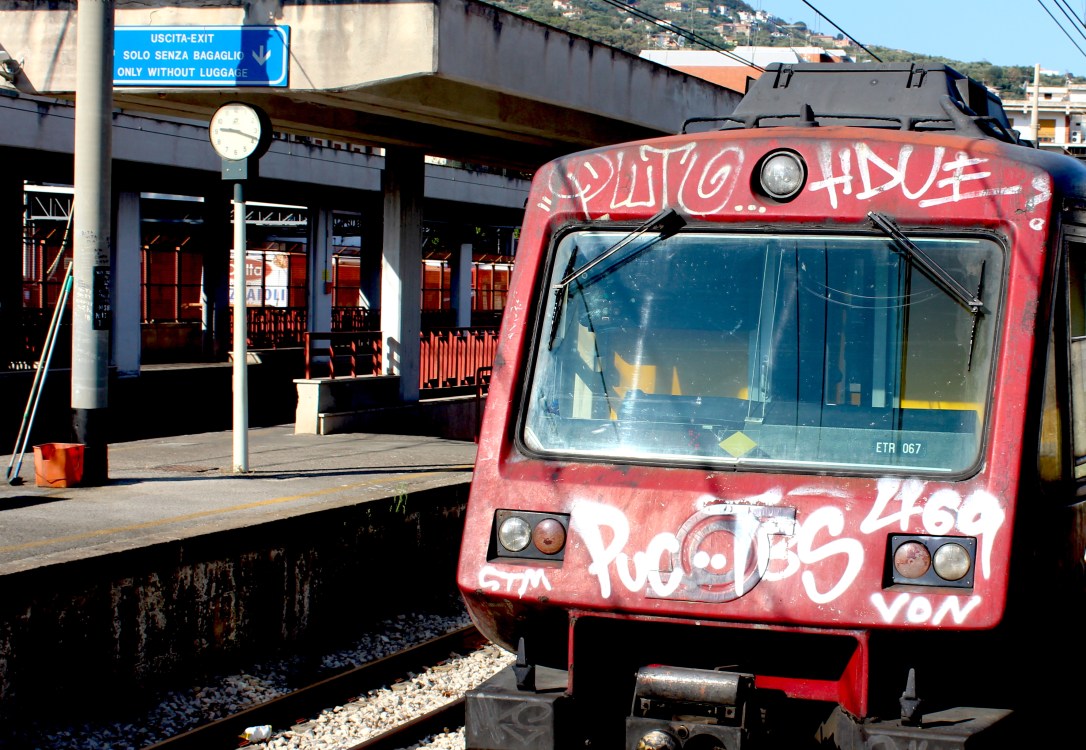
Catch the Circumvesuviana railway to explore both Mount Vesuvius and Herculaneum. Trains are pretty frequent (departing around every 30 mins) and the journey time is approx. 30 mins, making both of these sites an easy train ride away from Sorrento.
The train station you’ll need to disembark for both is called Ercolano Scavi station.
Mt. Vesuvius Express
Once you arrive at Ercolano Scavi, you’ll see the Vesuvius Express operating private bus tours to Mt Vesuvius. I recommend paying to do this, (it costs around €20pp inc. entry to the volcano summit). Buses depart every 40 minutes, and the drivers thread their way rapidly through the back roads reaching the drop off car park within 20 minutes.
It’s advisable to allow around two and a half hours for this visit, including an approx 30 minute walk to the crater. It’s a moderate hike, along a dusty pebbled pathway so bring comfortable shoes and plenty of water. The driver will set a return time to pick you up.
Mount Vesuvius
Mt Vesuvius is the world’s smallest volcano and the only active volcano in mainland Europe. There has been around 30 eruptions of various magnitudes over the past 2,000 years. The last major eruption was in 1944, causing 12,000 local residents to evacuate and killing 26 people.
It’s still considered one of the worlds most dangerous volcanos, and sensors have been planted around the crater to constantly monitor for any signs of activity.

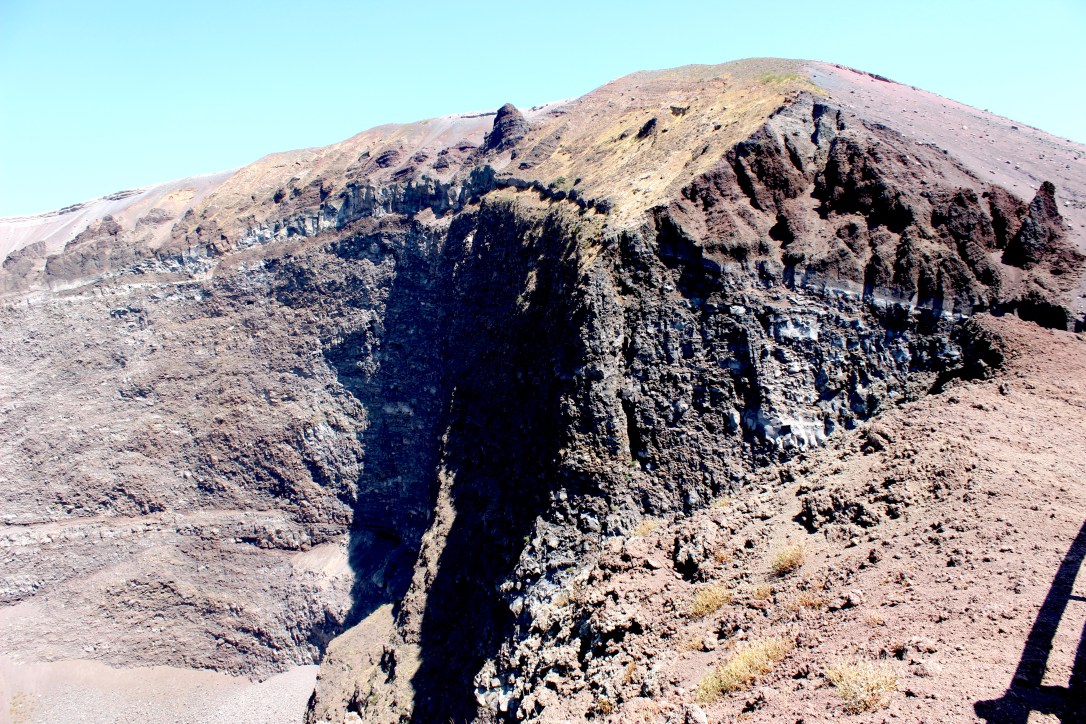
As you approach the volcano peak, you will see the effects of past eruptions and notice that Mt Vesuvius now appears to have two peaks. This is because a crater formed inside of the ancient crater, following an explosive eruption in 79AD. At its highest point you will be 1,300 meters high and on a clear day be able to see across the city of Naples.
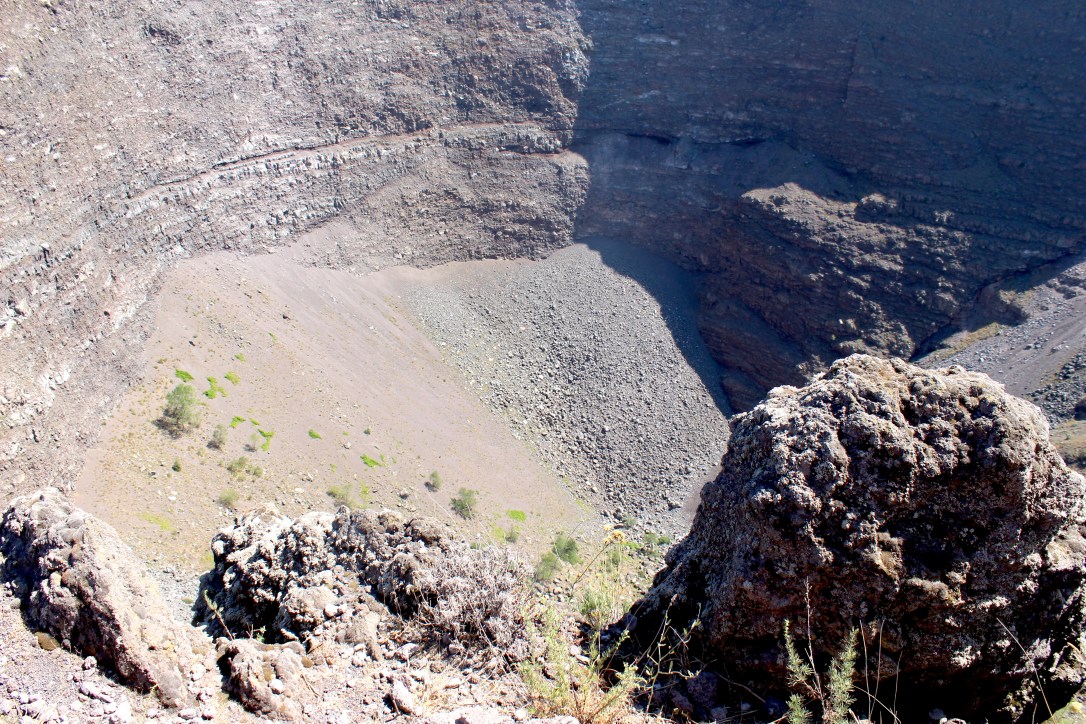
After you’ve experienced the sights of Mt Vesuvius you’ll be able to appreciate the magnitude of the volcano’s power and concern that it might blow it’s top once again!
The archaeological site of Herculaneum is about a 15 min walk from where the Vesuvius Express bus drops you back off, making this a destination to explore after a trip here.
If want to stop for a bite to eat for lunch, I recommend not eating in the restaurants where the bus drops you back off – they’re a tourist trap and the menus can be pricy with food below average. On the way to Herculaneum you should spot “Vesuvius Gelateria e Cafeteria” offering sandwiches, pastries and of course gelato, which is a better option.
Herculaneum
In AD 79, a huge tide of volcanic mud and liquid seeped into the crevices of every building, sealing everything in an airtight tomb. The excavations are more compact here in comparison to Pompeii because the mud left much of the organic material eerily in tact. Excavation began in 1738 and still today, Herculaneum is only half excavated.
The ruins lie more than 50 ft below the present-day town of Ercolano. It’s fascinating to explore the taverns, cobbled roads and homes whilst Mt Vesuvius dawns in the horizon.
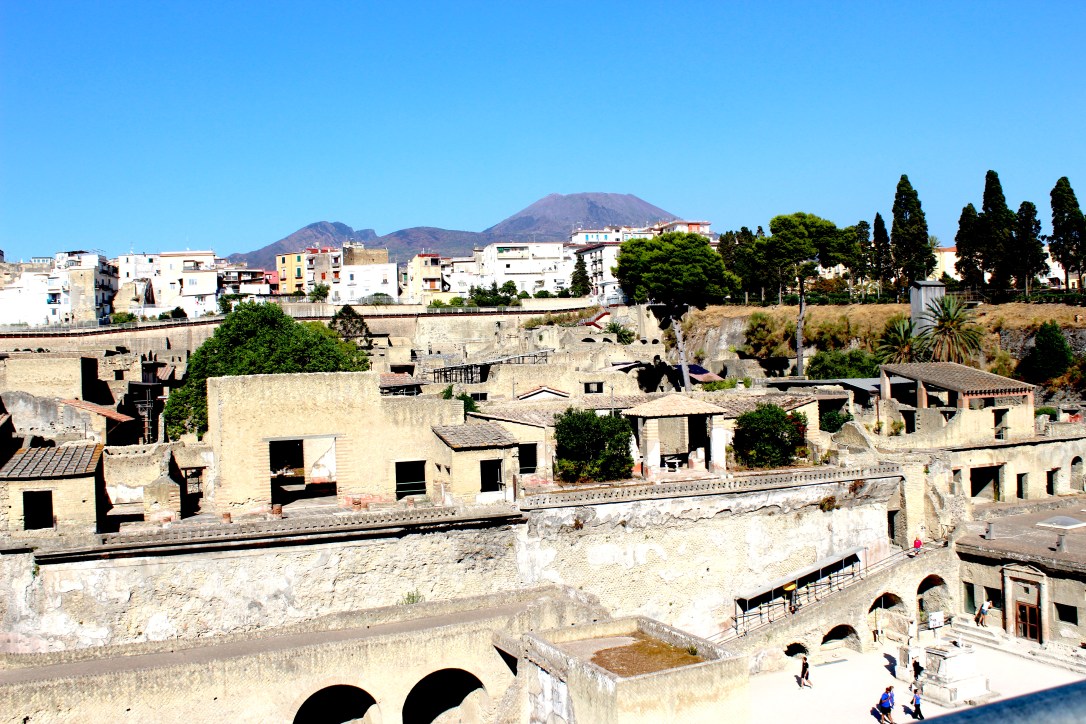
At the entrance pick up a free map showing the gridlock layout of the site and I recommend getting an a audio guide (€6.50 for one, €10 for two).
You’ll learn that around 5,000 people lived in Herculaneum when it was destroyed, many of them fishermen and craftsmen.
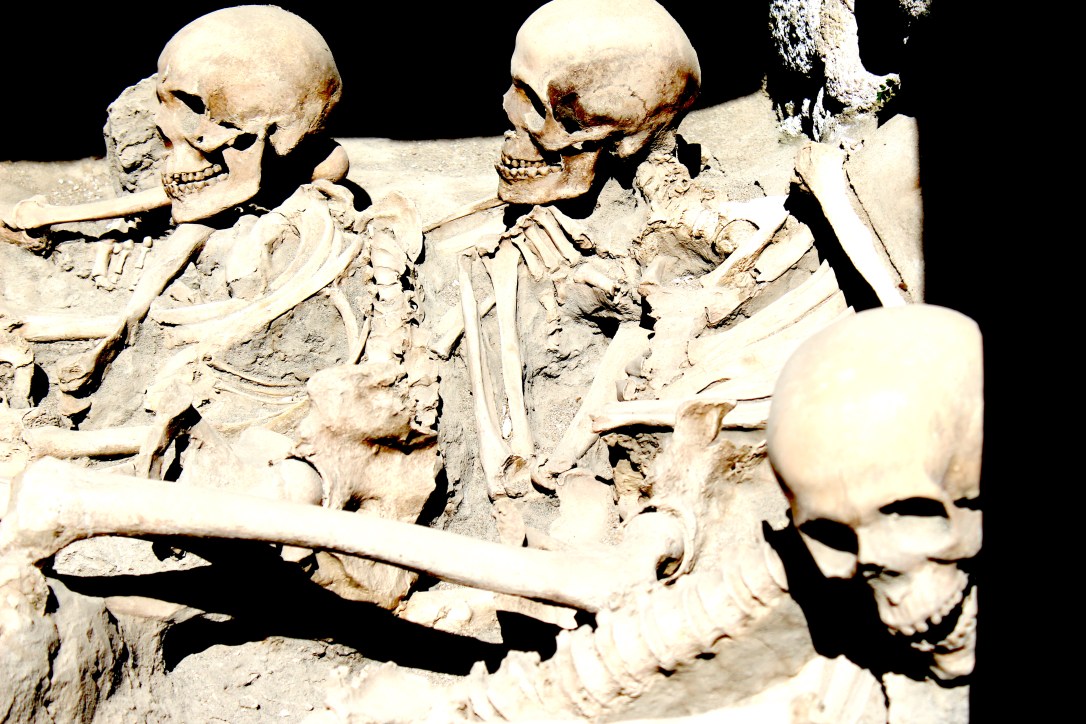
The ruins reveal that Herculaneum was a richer city than Pompeii, with larger more ornate buildings complete with mosaics and marble claddings.
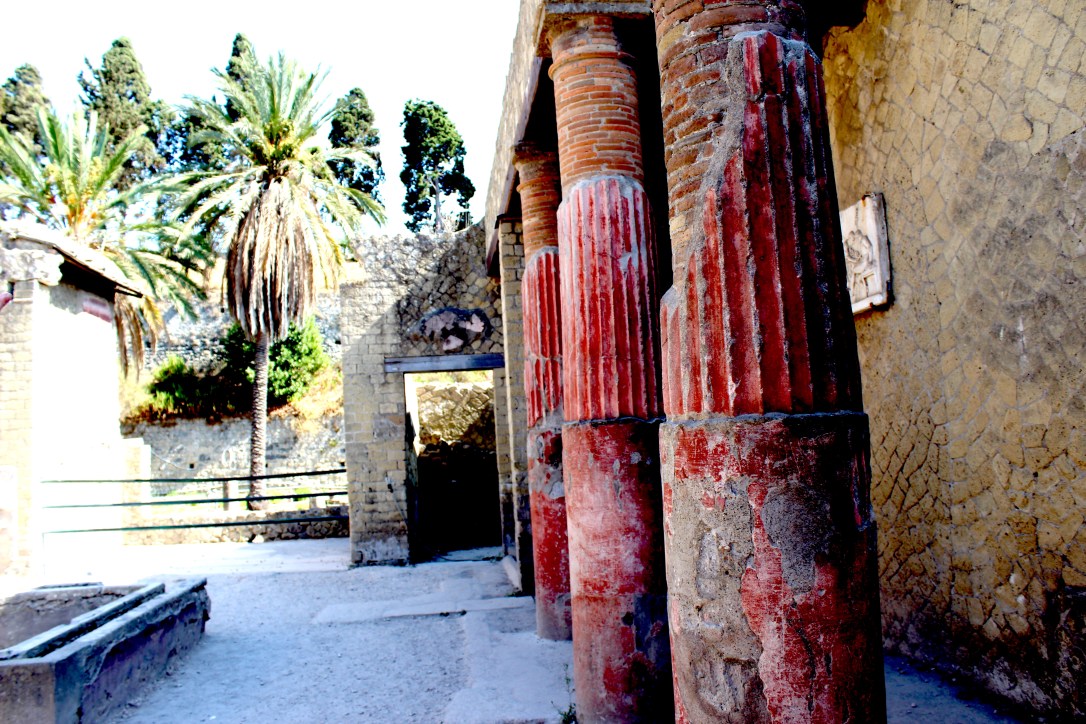
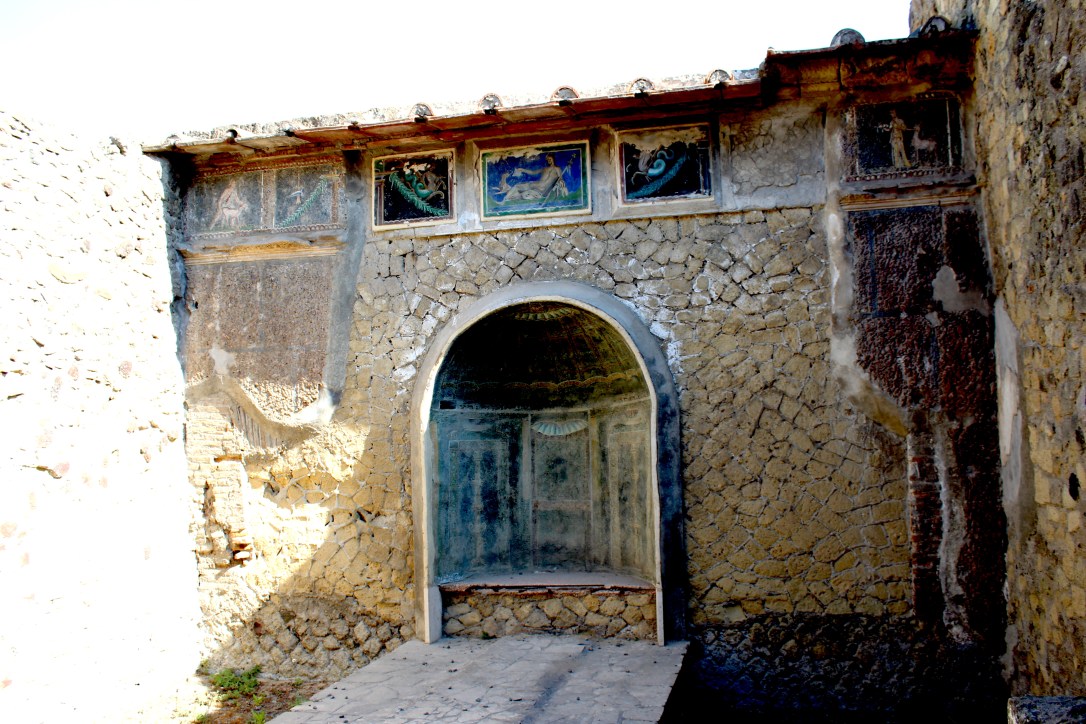
As you walk through the streets, you’ll find that some of the buildings are so well-preserved that it’s hard to believe you’re walking through ruins over 2,000 years old.

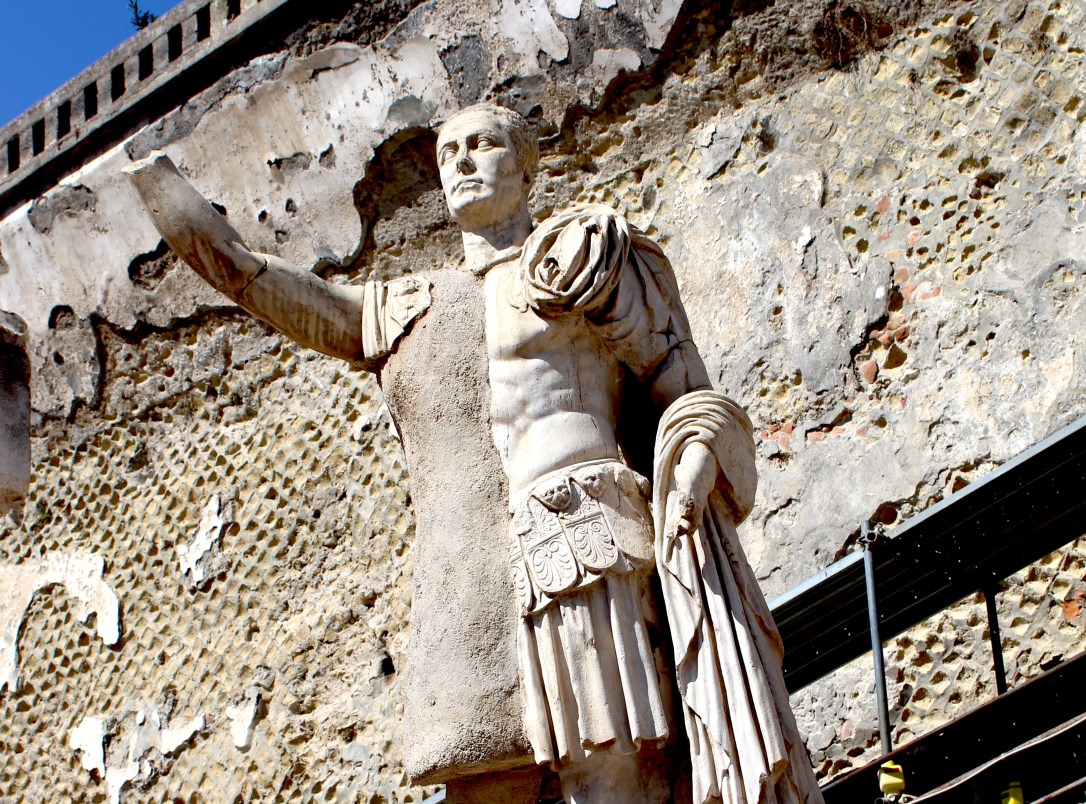
Most of the houses are open to explore but some are forbidden to enter in order to preserve them. You’ll see some villas with wall paintings of delicately drawn animals and gods and intrinsically patterned mosaic floors. It’s a great snapshot of Roman life in the 1st century -and you can imagine a quiet and peaceful small maritime city once existing!
Evening meal: Ristorante O’Parrucchiano, Sorrento
O’Parrucchiano restaurant is set inside a sprawling greenhouse, meaning you can dine amongst the lemon and orange orchards decorating this charming conservatory.
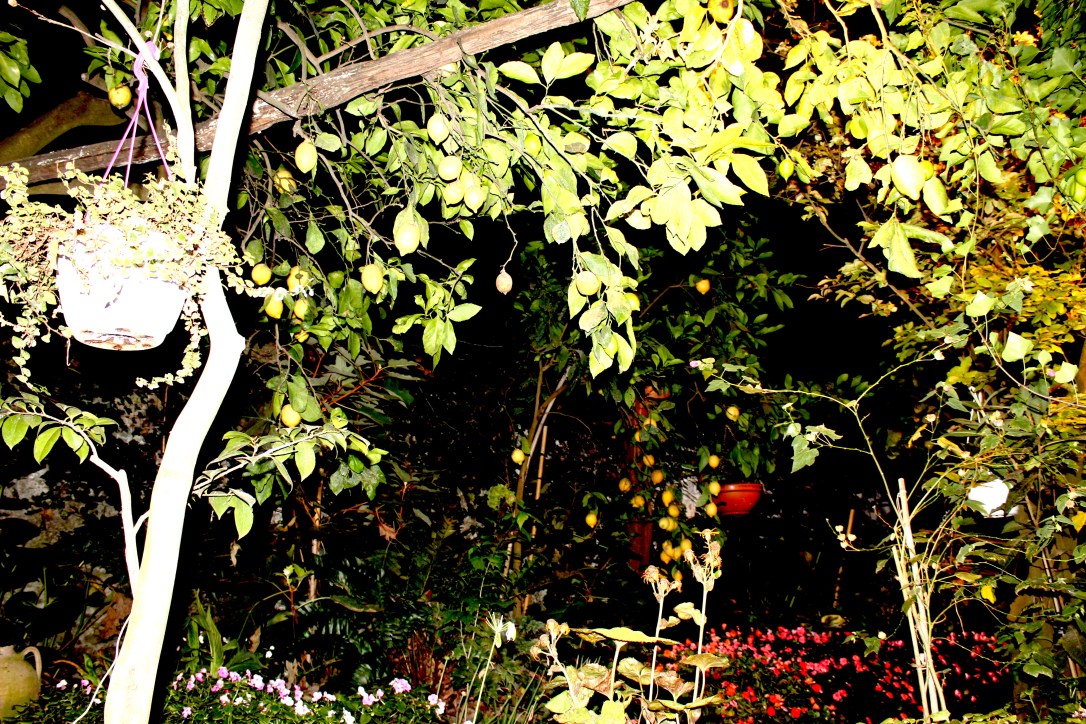
The restaurant owner famously invented the traditional dish of Cannelloni (then called “Strascinati”) over 100 years ago, so it was an easy decision to decide on what to have…

 out of the office adventures
You must be logged in to post a comment.